
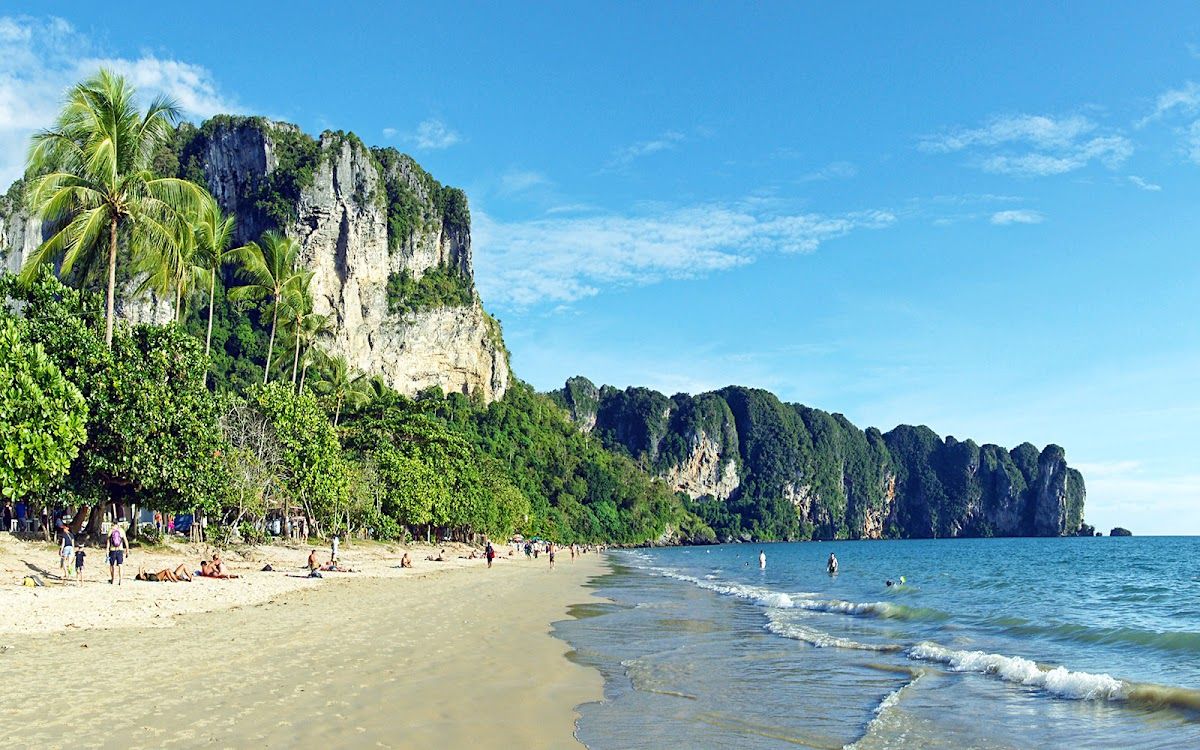

Krabi packs more into a small stretch of coast than almost anywhere in Thailand: limestone towers straight out of the sea, dozens of islands within a short boat ride, jungle hot springs, and some of the best rock climbing in Asia. You could fill a week and still leave things undone. Here’s what earns a place on the list, roughly in order of how often people are glad they did it.
Quick facts
Reviewed 12 October 2026. Tour prices are the ranges already used on this page.
- Four Islands: about ฿900 by longtail, plus the ฿400 foreign adult park fee. Full notes in the Four Islands guide.
- Railay: ฿100 longtail from Ao Nang. Princess Cave is free. Climbing is about ฿1,000 to ฿1,500 for a half day. See the Railay Beach guide.
- Tiger Cave Temple: free. About ฿50 by songthaew from Krabi Town, or ฿150 from Ao Nang.
- Hong Islands: about ฿1,000 to ฿1,250 plus a ฿300 park fee. Phi Phi day trips are about ฿1,700 plus ฿400.
The short version
- Do first: a Four Islands tour, an evening on Railay, and the Tiger Cave Temple climb if your legs are up to it.
- Islands over beaches: the day trips (Four Islands, Hong Islands, Phi Phi) are the reason most people come. Book at least one.
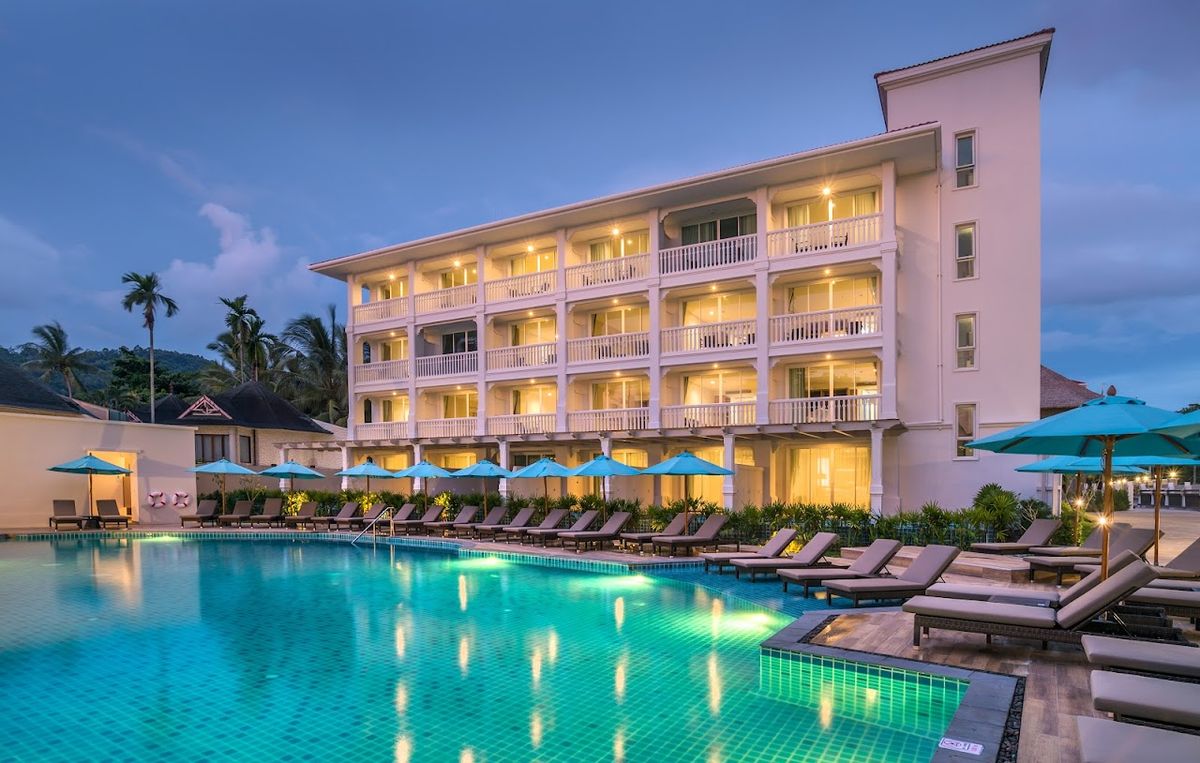
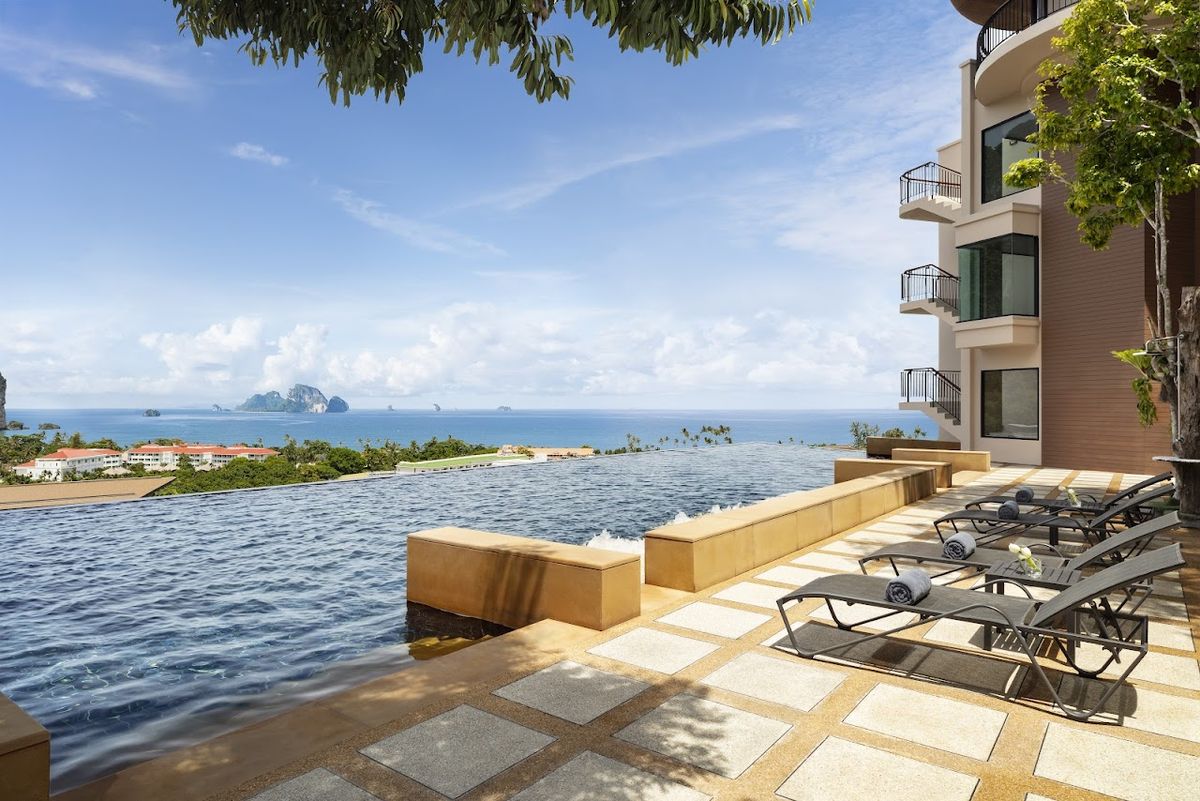
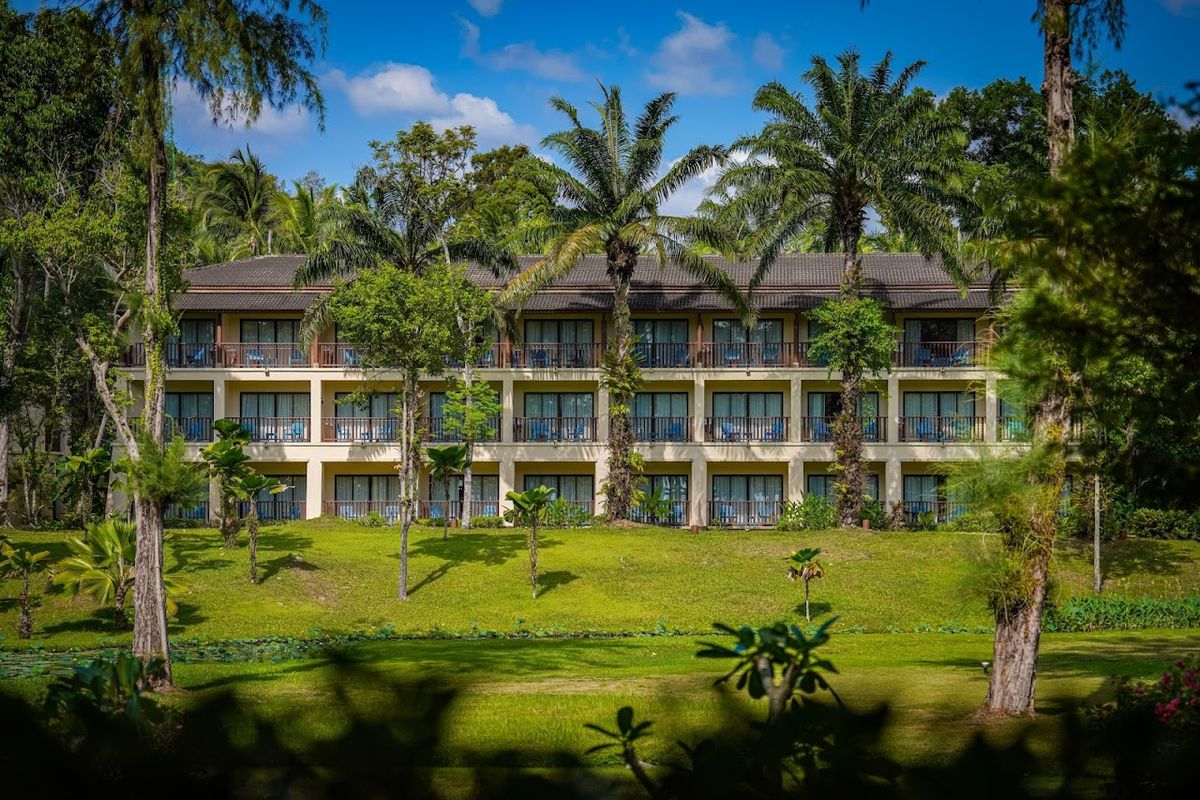
- Base yourself in Ao Nang for the easiest access to boats, food and transport. See where to stay in Krabi.
- Budget guide: most big-ticket activities run ฿900–฿1,700 (about US$26–50) plus a national park fee of ฿300–400.
- Browse activities to book once you’ve sorted a base.
1. Take a Four Islands tour
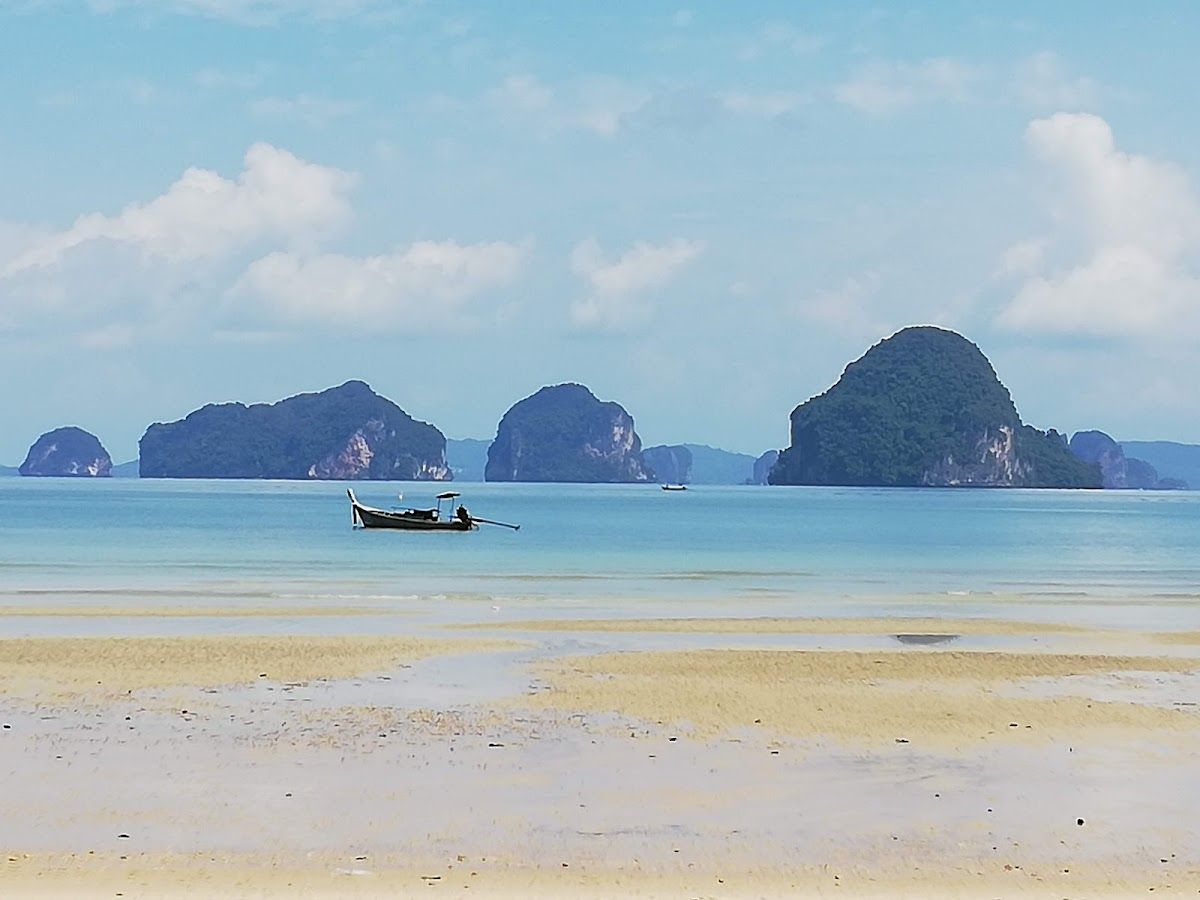
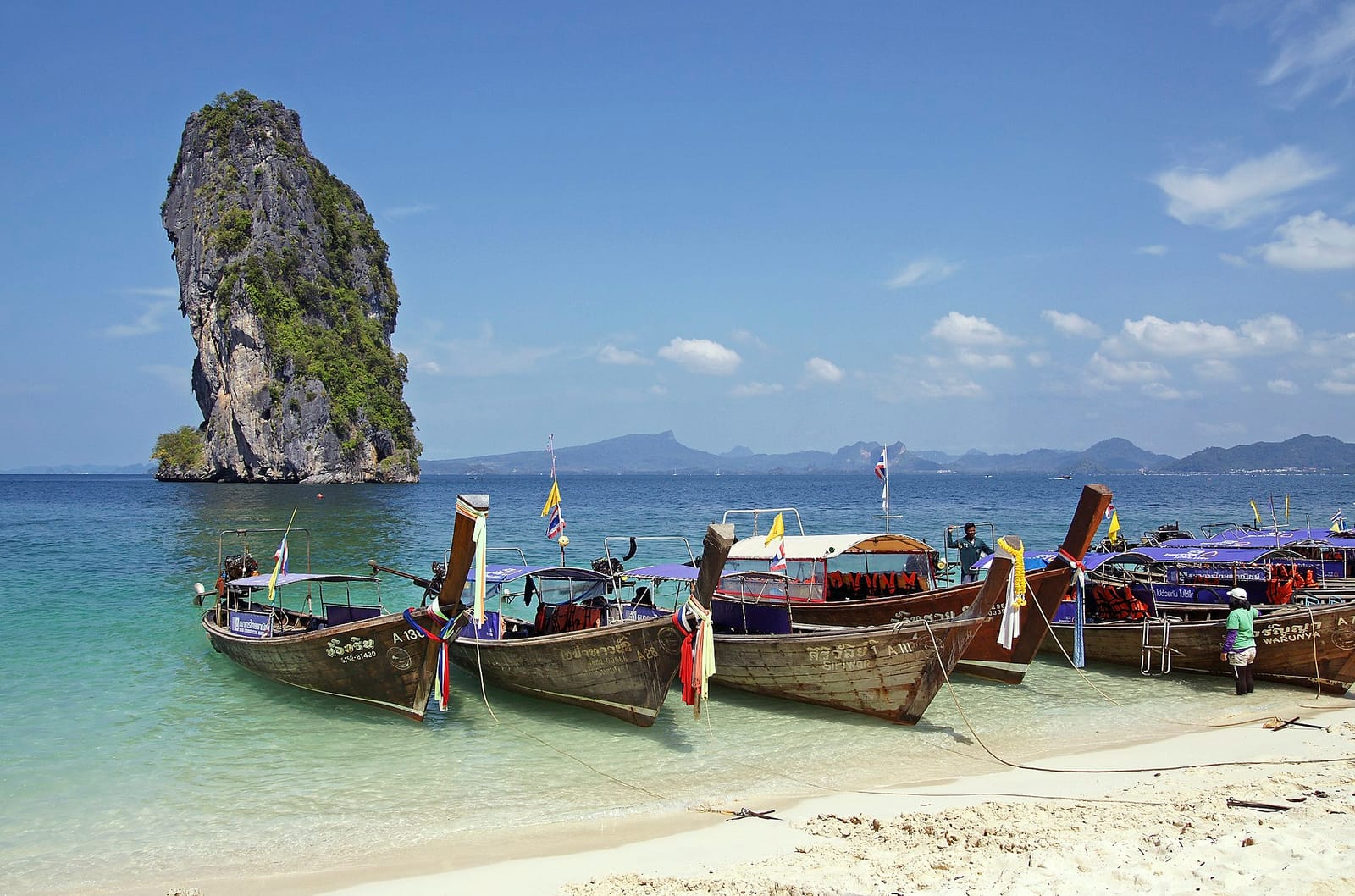
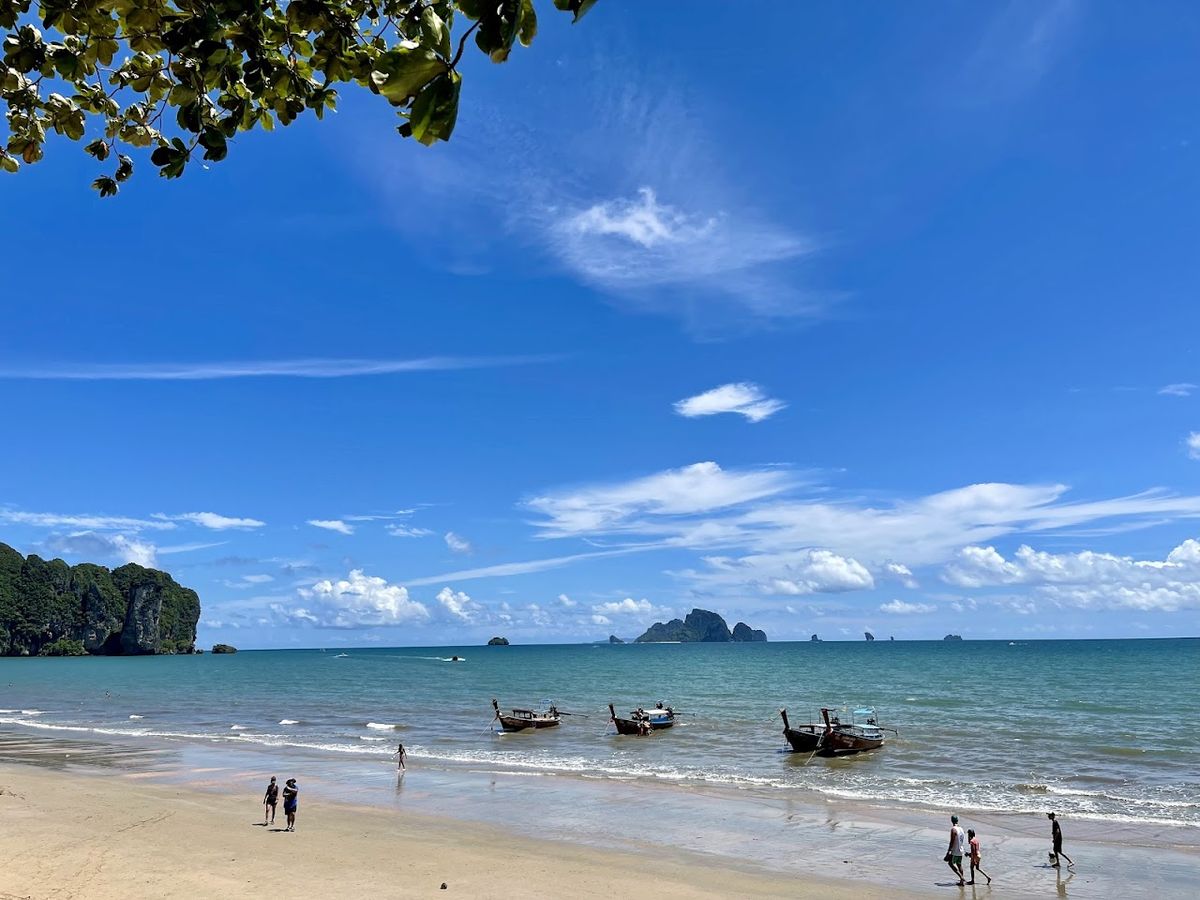
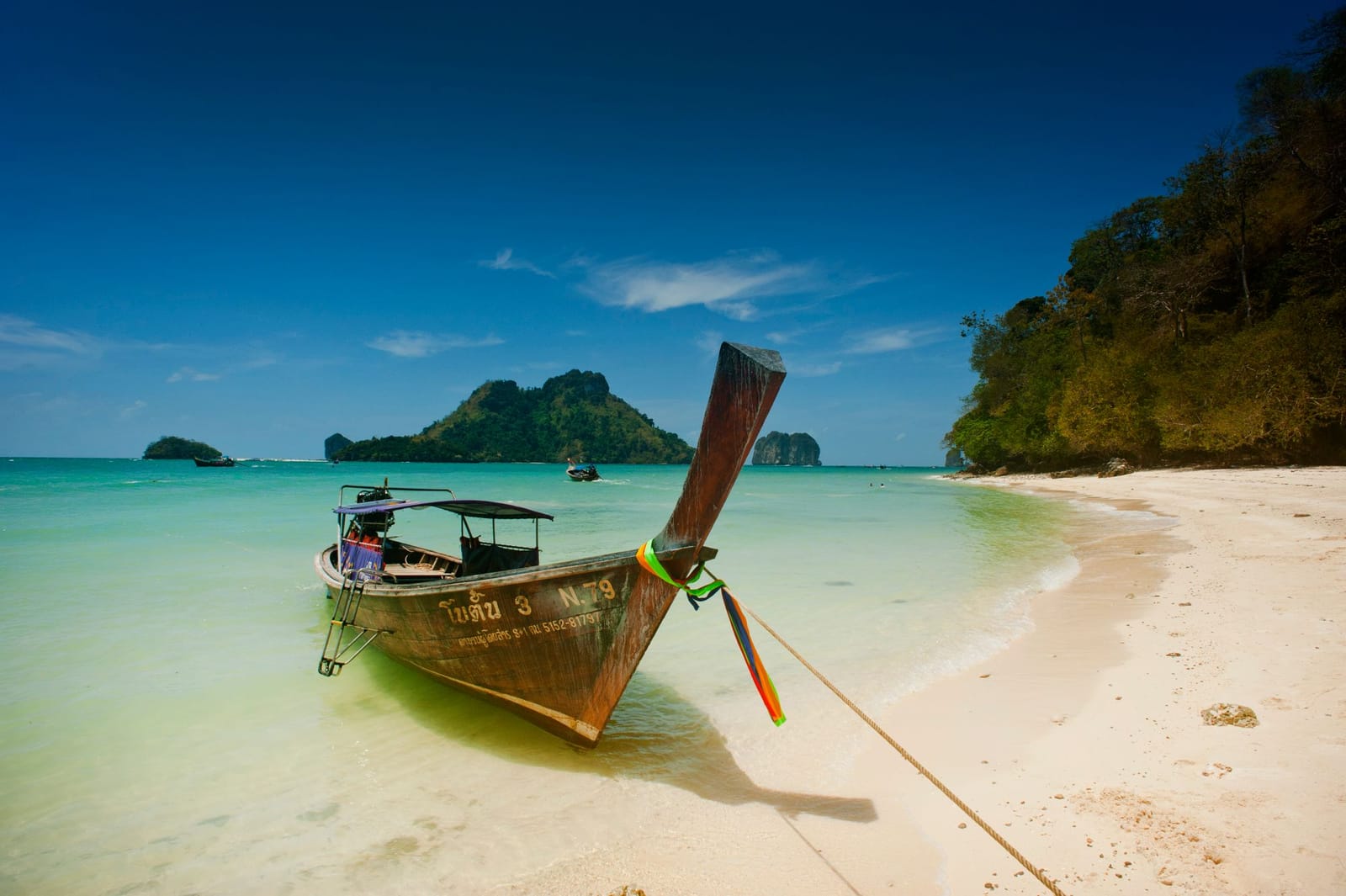
The signature Krabi day out. A longtail or speedboat loops Koh Poda, Chicken Island, Tup Island and Phra Nang Cave beach, with snorkelling stops and a sandbar that appears at low tide so you can walk between islands. Group tours run from about ฿900 (US$26) per adult by longtail, a little more by speedboat, plus the ฿400 national park fee paid at the pier. Full detail in the Four Islands tour guide.
2. Spend a day (or stay a night) on Railay
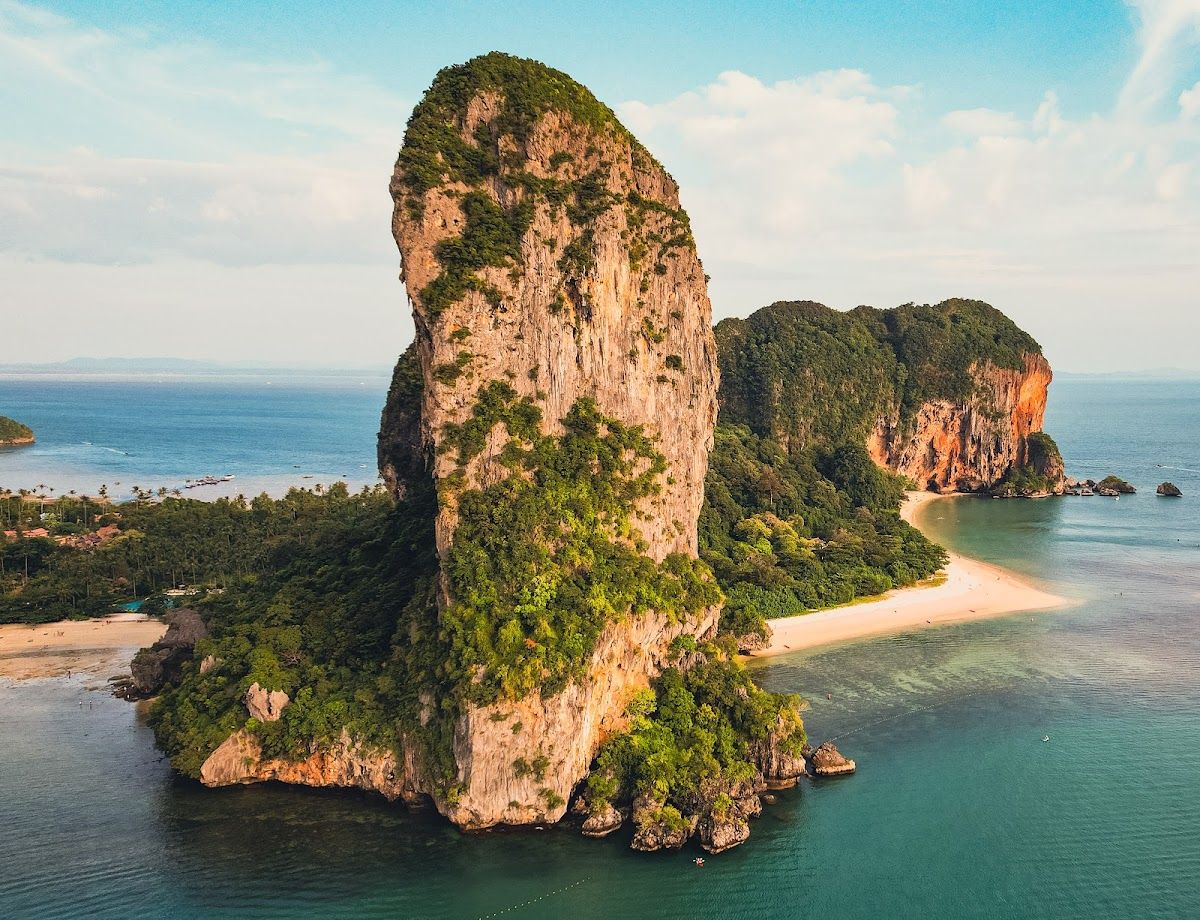
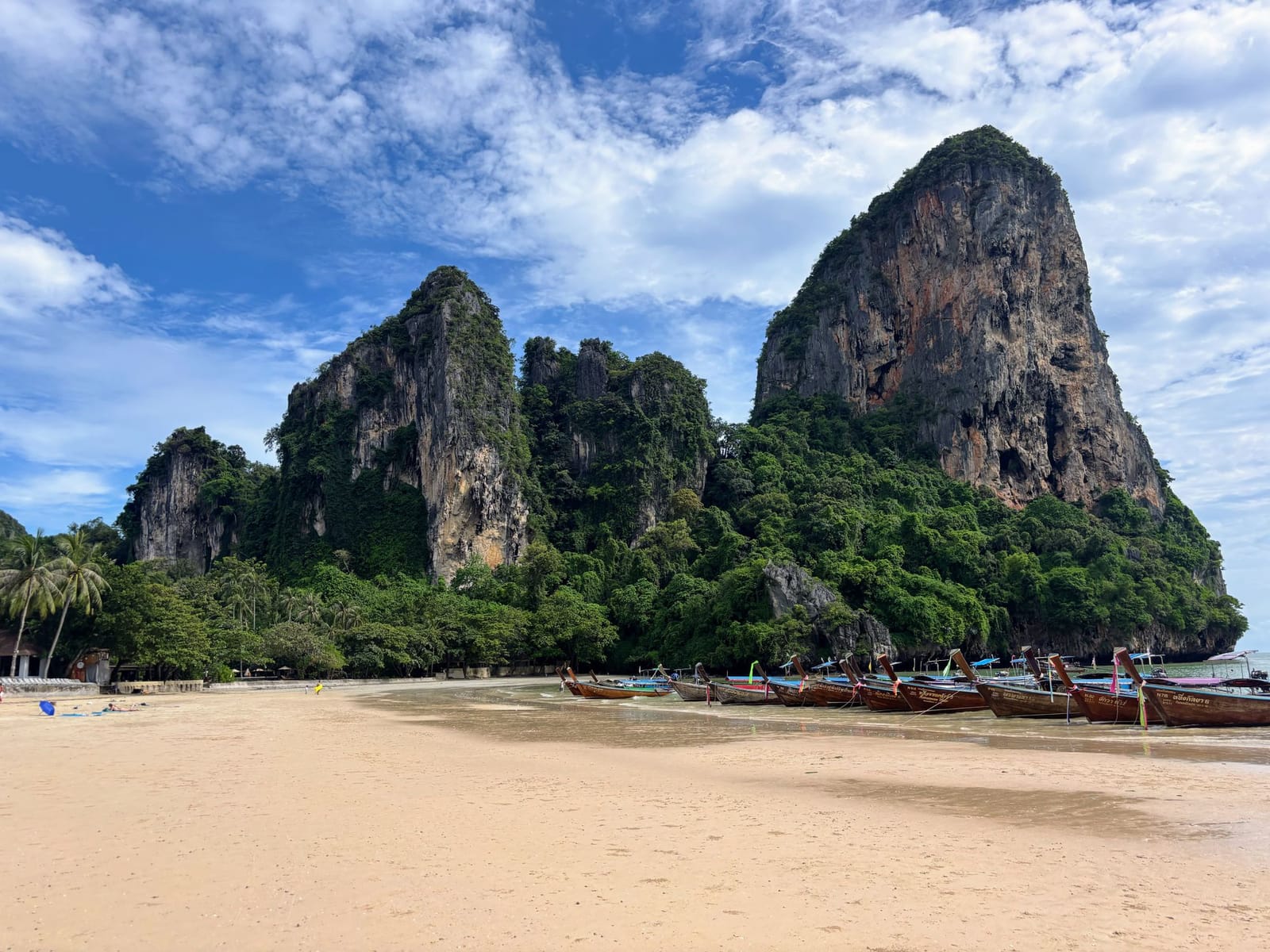
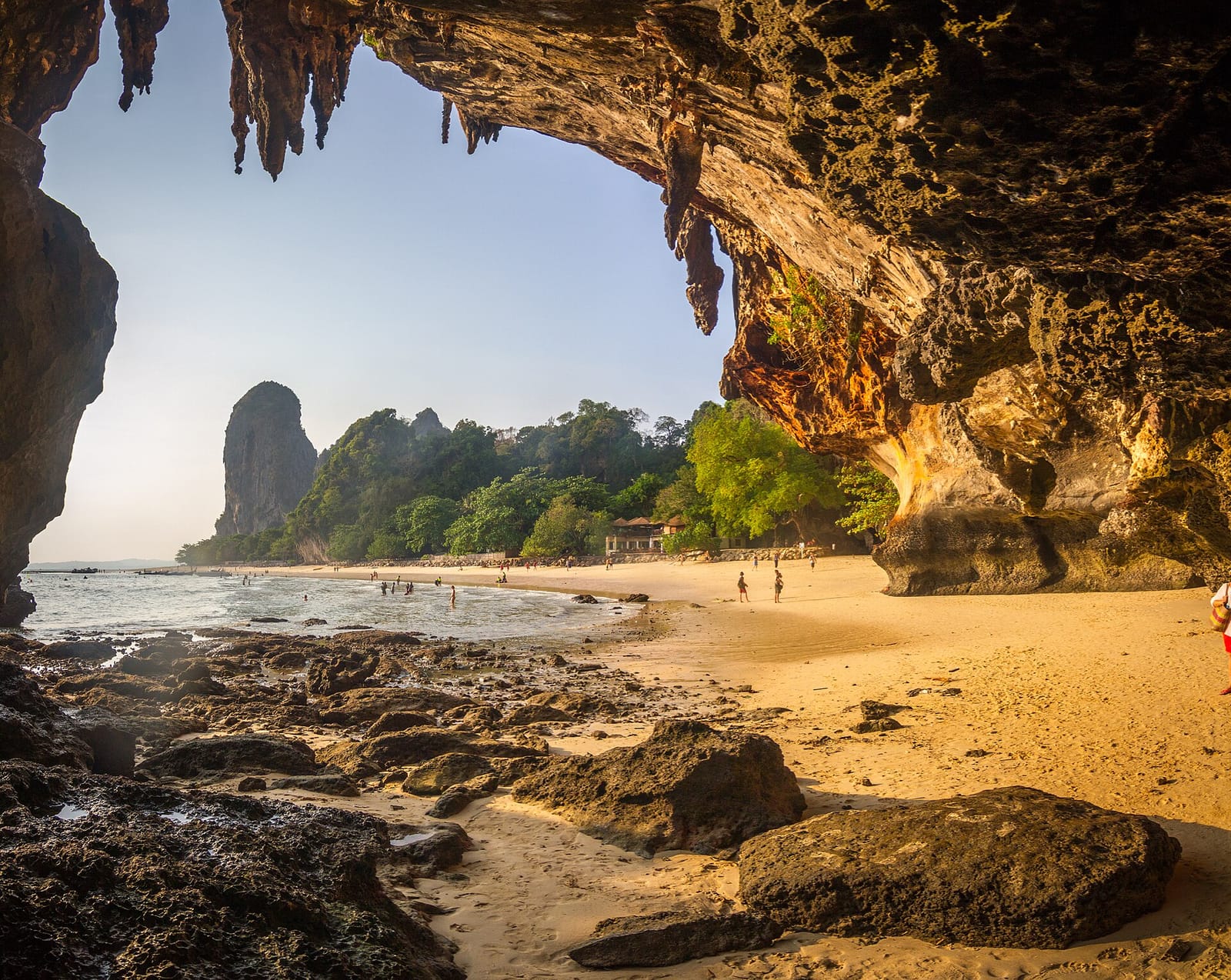
Railay is a peninsula cut off from the mainland by cliffs, so you can only reach it by boat — a 10–15 minute longtail from Ao Nang for ฿100 each way. Railay West has the postcard sand, Railay East is mangrove and cheaper rooms, and Phra Nang beach around the headland is the stunner. Staying over lets you have the beaches before and after the day-trippers. See the Railay Beach guide.
3. Climb the Tiger Cave Temple steps
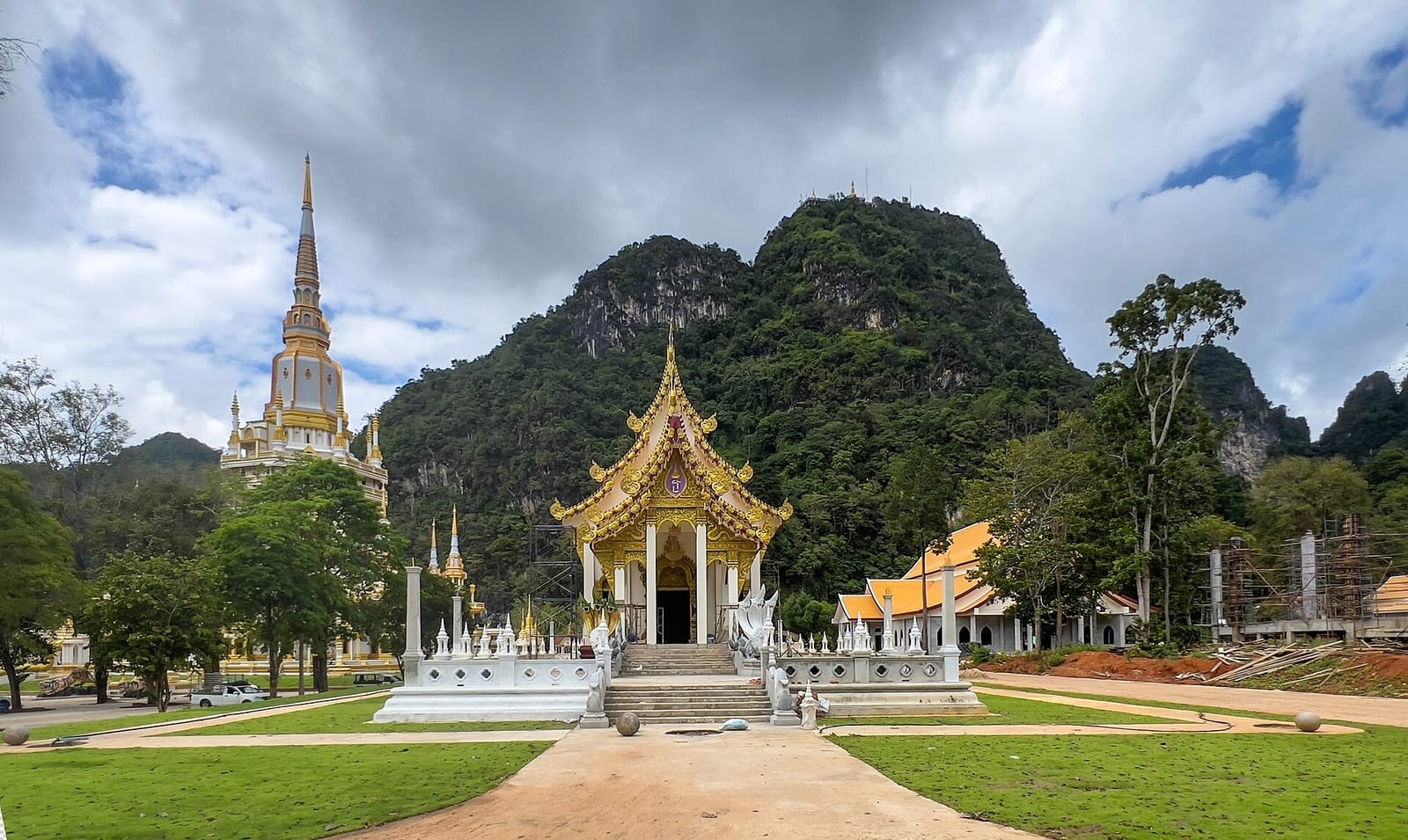
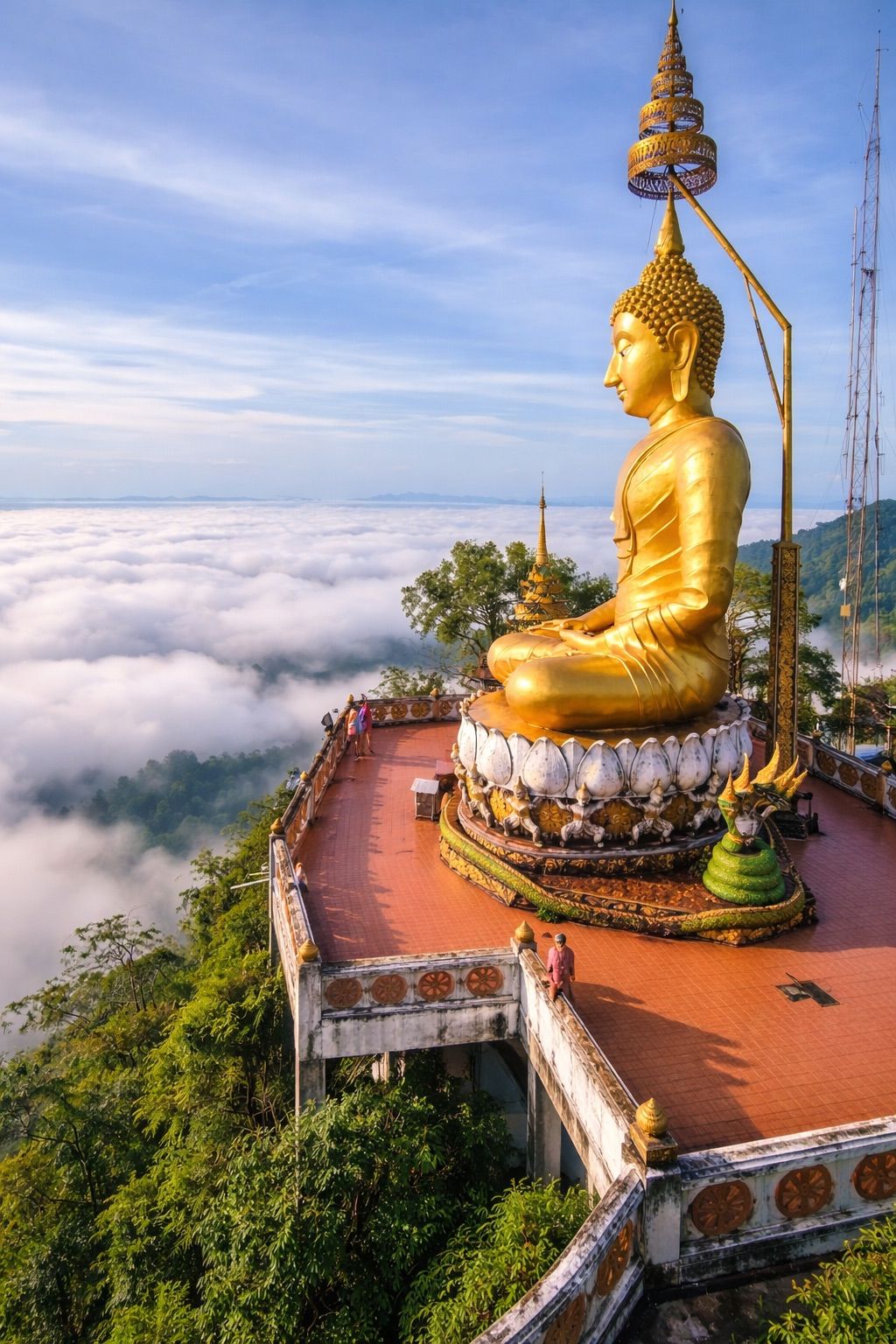
Wat Tham Suea sits on a hilltop reached by 1,200-plus concrete steps. It’s a genuine grind — allow 40 minutes up in the heat and take water — but the golden Buddha and the 360-degree view over Krabi’s karst plains at the top pay it back. Entry is free. A songthaew from Krabi Town is about ฿50; from Ao Nang closer to ฿150. Go early before the heat builds.
4. Rock climb at Railay
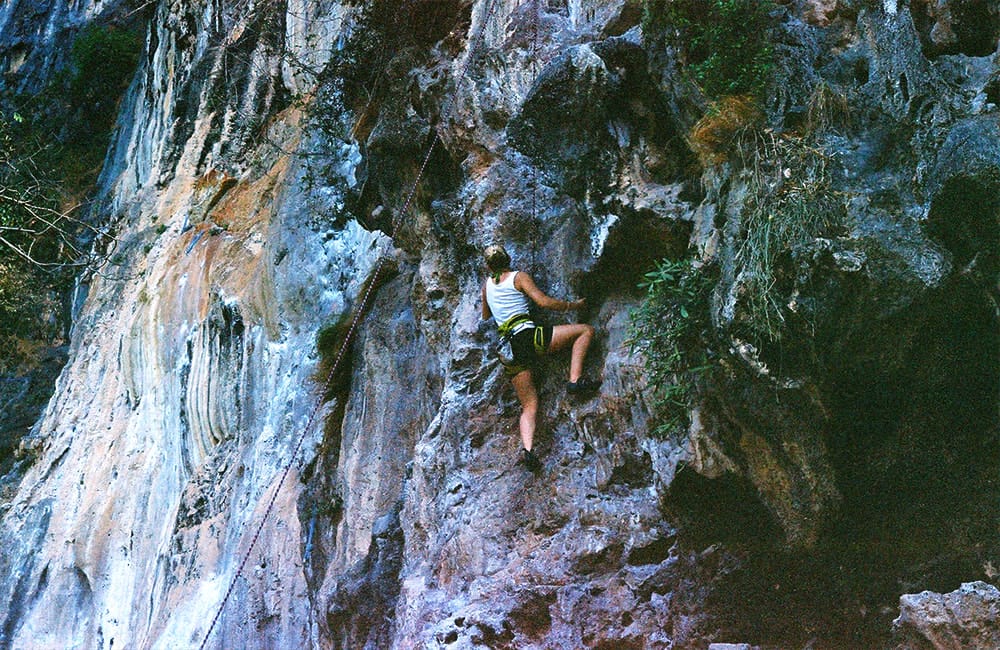
Railay is one of the world’s best-known climbing spots, with hundreds of bolted routes on the limestone cliffs above the beach. Schools run half-day beginner courses (around ฿1,000–1,500) with gear and instruction — no experience needed, and the walls run from easy slabs to serious overhangs. Even if you never climb again, doing it once here is worth it.
5. Island-hop to the Hong Islands
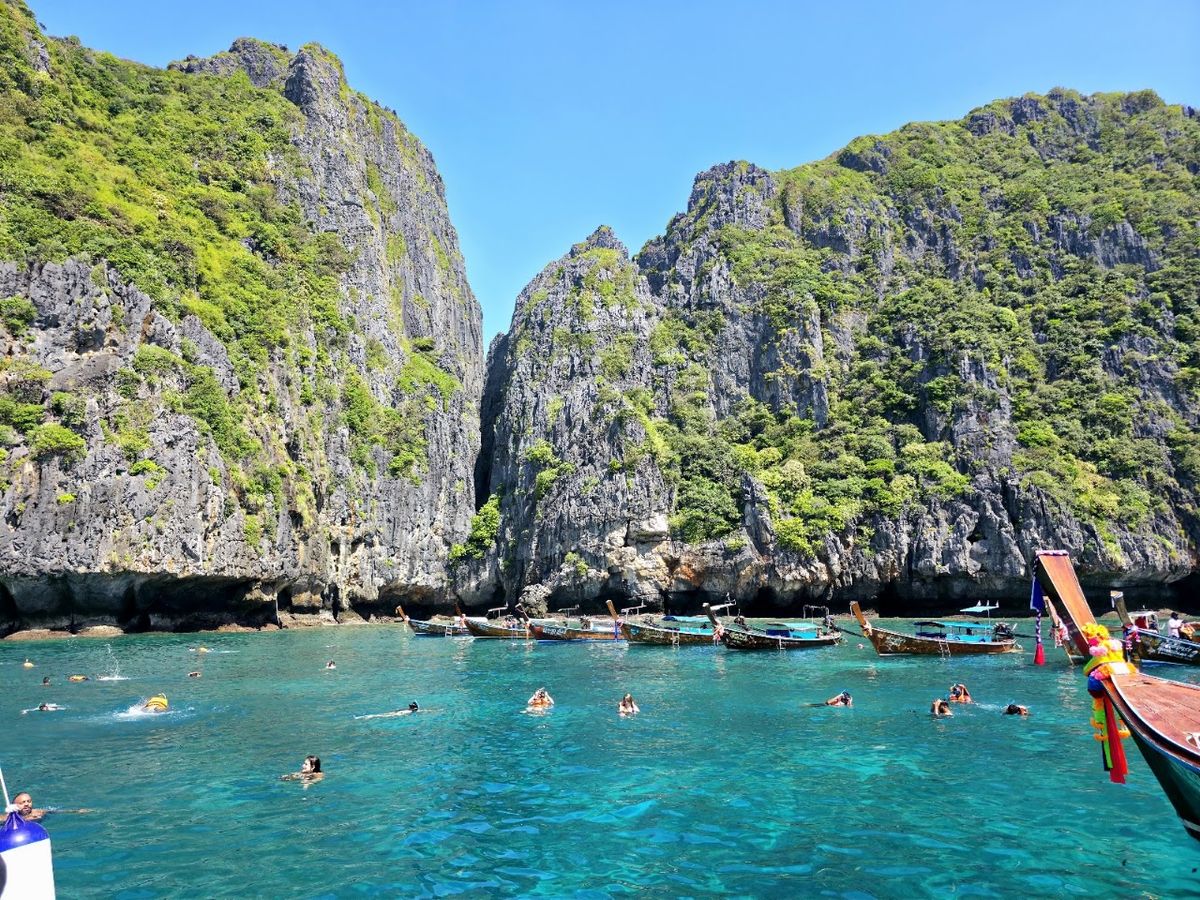
Quieter than the Four Islands and, for many, prettier. The highlight is the “Hong” — a hidden lagoon inside a ring of cliffs that you enter through a narrow gap at the right tide. Speedboat tours run about ฿1,000–1,250 (US$29–37) plus a ฿300 park fee. It makes a good second island day if you’ve already done the Four Islands.
6. Day-trip to Phi Phi
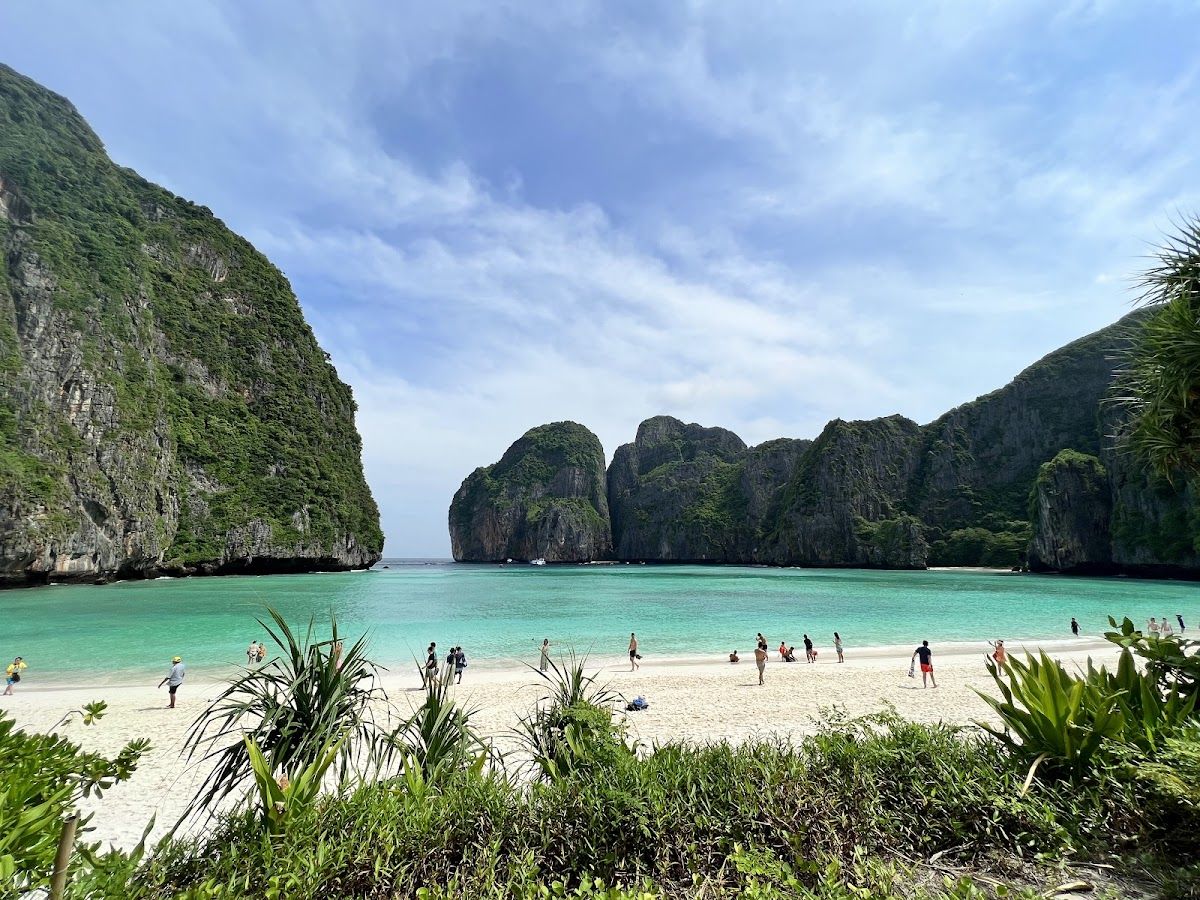
The famous one, and the busiest. Maya Bay (the beach from The Beach) reopened after its rest but you can no longer swim there — you view it from the sand. Speedboat day trips from Krabi are about ฿1,700 (US$50) plus the ฿400 park fee. Worth doing once, with clear eyes about the crowds — the honest version is in the Phi Phi day trip guide.
7. Cool off at the Emerald Pool and hot springs
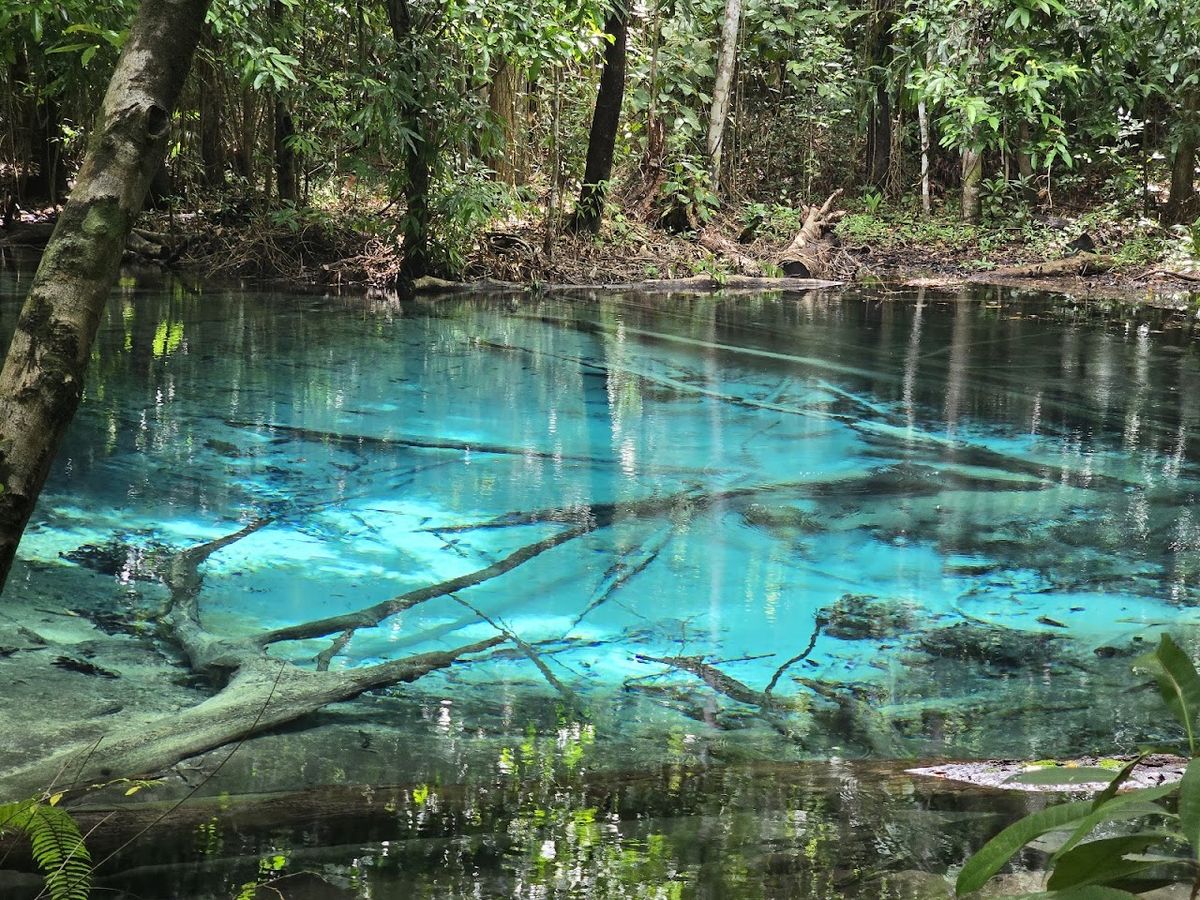
Inland in the Khao Phra Bang Khram forest, the Emerald Pool is a clear jungle spring you can swim in, with a “Blue Pool” a short walk on. Nearby, the hot springs are natural rock tubs of warm mineral water. They’re usually paired on a half-day tour, often with the Tiger Cave Temple — see day trips from Krabi.
8. Eat your way through the night markets
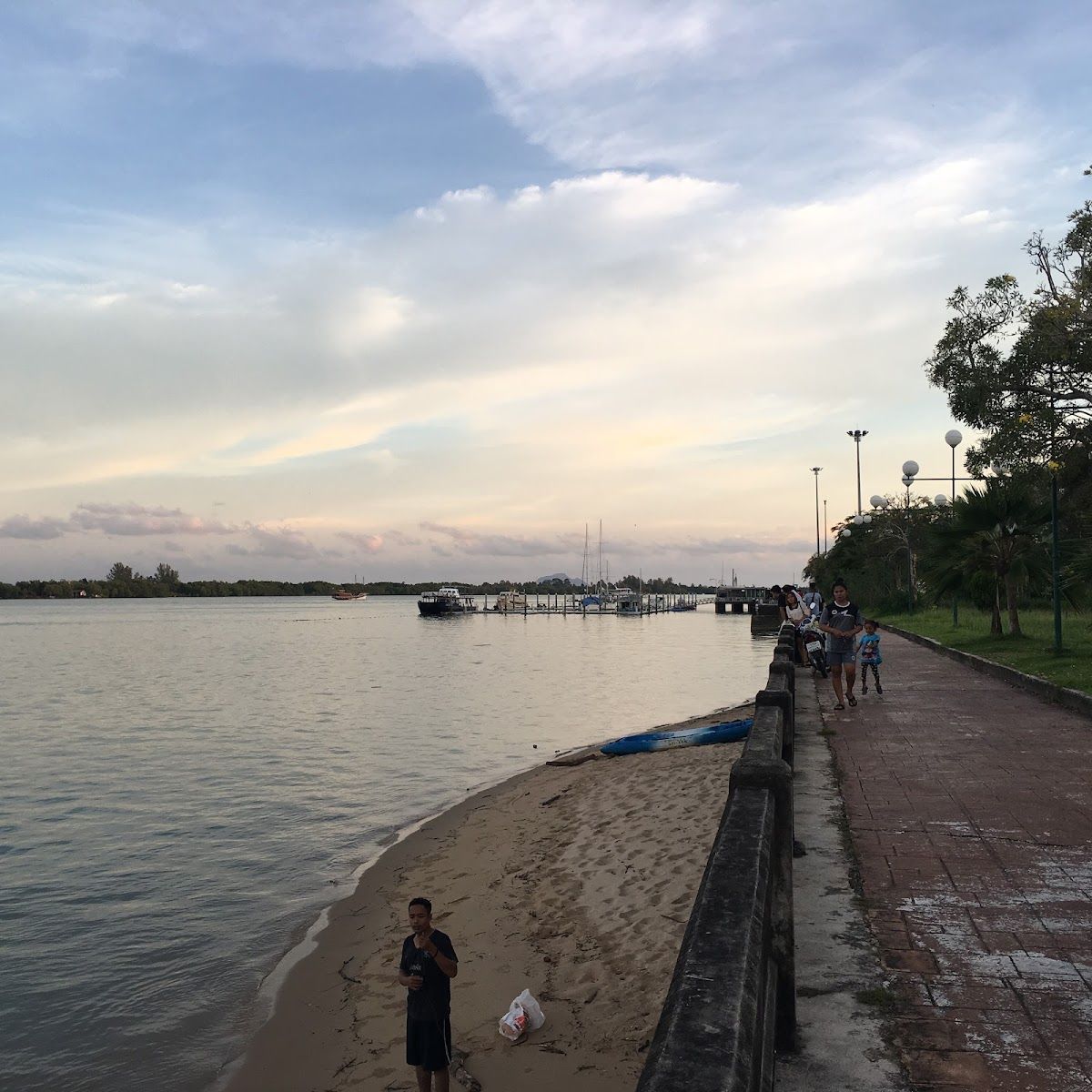
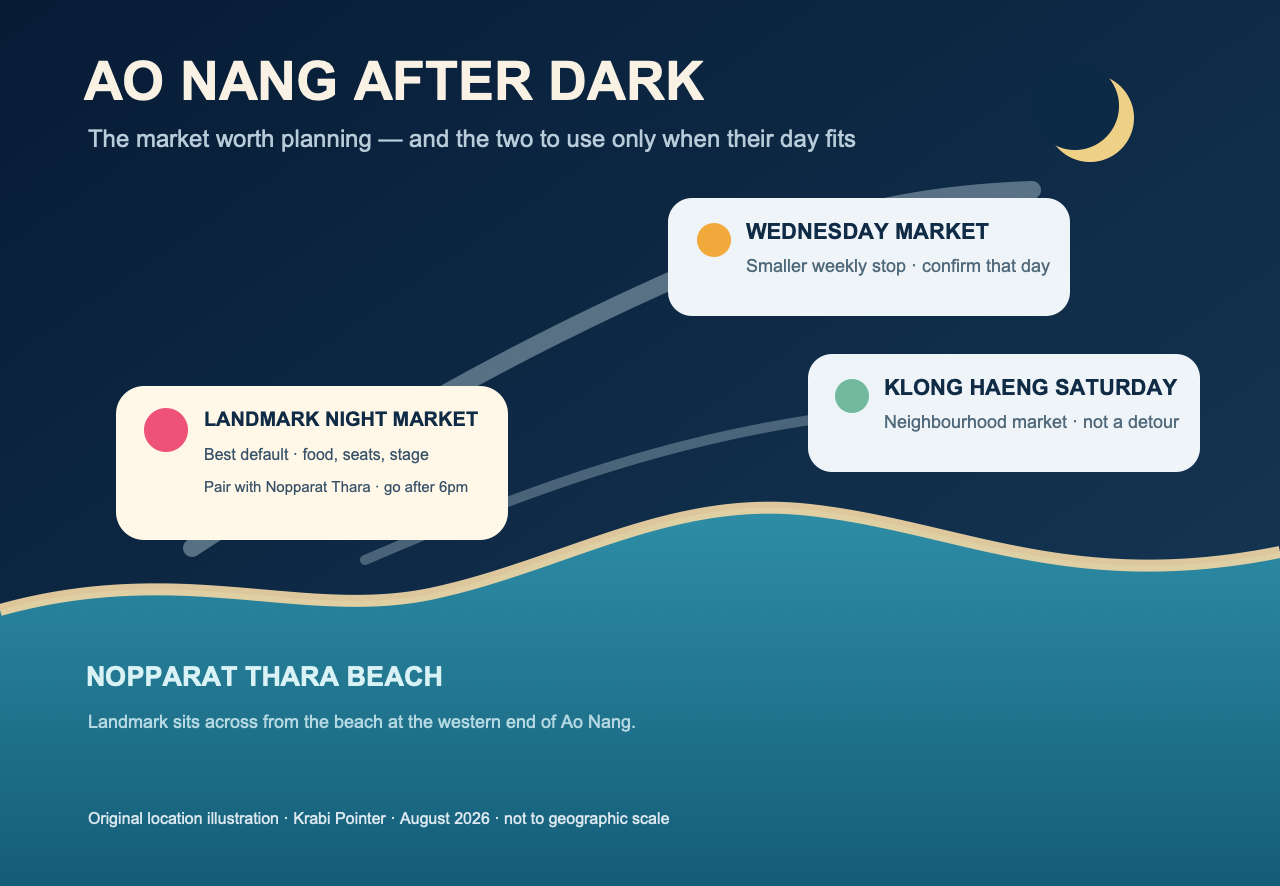
Krabi Town’s weekend walking street and the riverside night market are where the food is: grilled prawns and squid by the plate, southern curries, roti, mango sticky rice. Cheap, busy, and the best value meal you’ll have. The Krabi food guide covers what to order and where.
9. Kayak the mangroves and sea caves
Around Ao Thalane and Bor Thor, you paddle through mangrove channels and into karst caves, some with prehistoric rock paintings. It’s calm, shaded and good with kids. Half-day trips run about ฿700–1,000. A change of pace from the beaches.
10. Watch the sunset from Ao Nang
Simple and free. The Ao Nang beachfront faces west, so grab a drink at one of the bars along the promenade and watch the light go down behind the islands. It’s the town’s nightly ritual for a reason.
11. See Krabi from the water at Ao Nang or Nopparat Thara
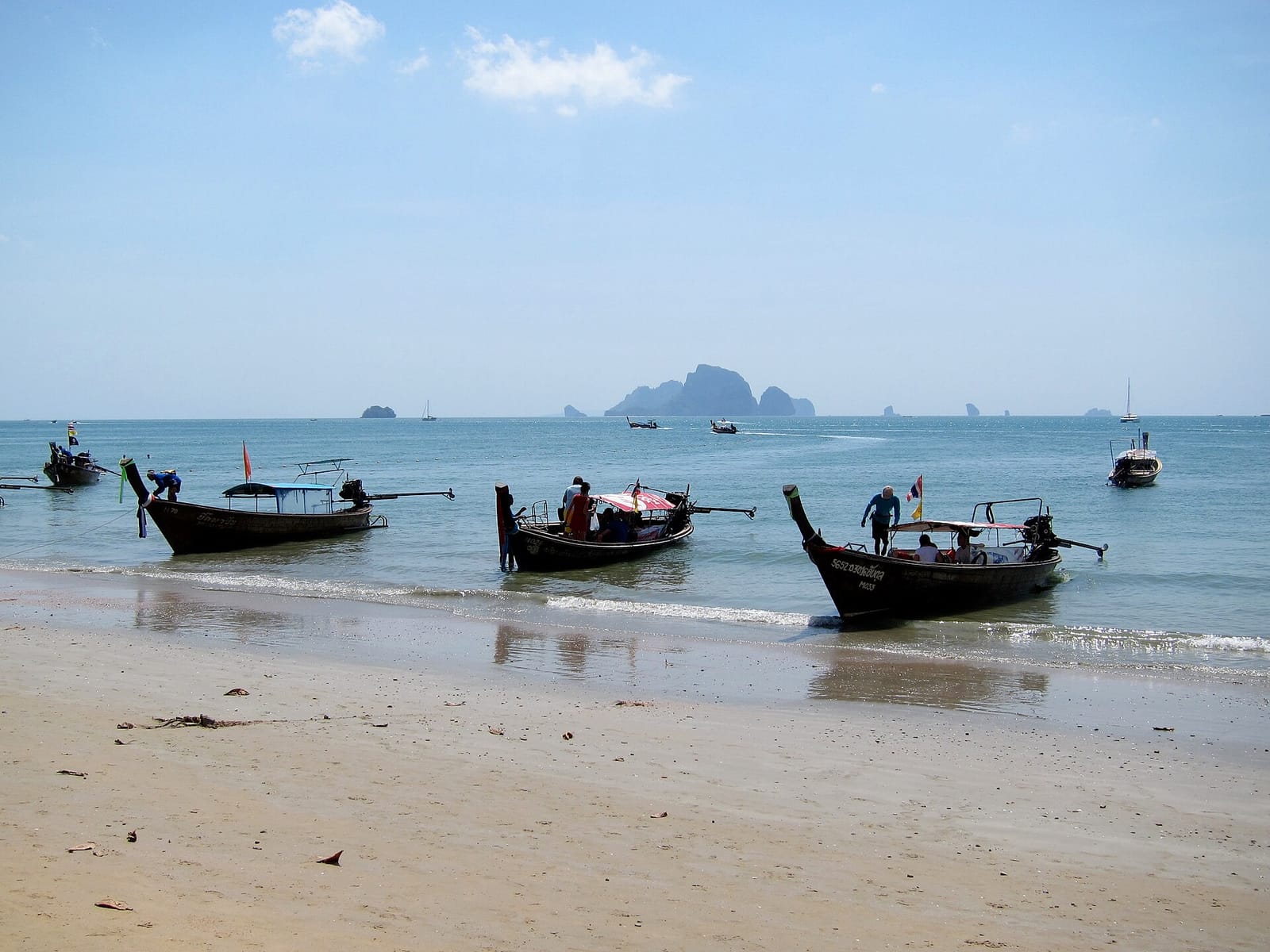
If you don’t want a full island day, hire a longtail for an hour or two from Ao Nang or nearby Nopparat Thara beach and cruise the near islands. You set the route and the pace — good for photos and a swim without the tour timetable.
12. Snorkel or dive
Visibility around the islands is good in the dry season. Day boats run snorkelling over the reefs off Koh Poda and the Hong group; dive operators run trips out to the deeper sites. Gear is usually included on island tours, so you may not need to book snorkelling separately.
13. Wander Krabi Town
Skip it and you miss the real place. The riverside town has the black crab sculpture on the waterfront, an easy market scene, cheap eats and a mangrove boardwalk. It’s also the cheapest base if you’re watching money — see Krabi on a budget and the Krabi Town area guide.
14. Find the best beaches beyond Ao Nang
Ao Nang beach itself is for strolling and sunsets more than swimming. The good sand is a short boat away — Phra Nang, Railay West, Tubkaek and the island beaches. The best beaches guide ranks them.
15. Do nothing at Klong Muang or Tubkaek
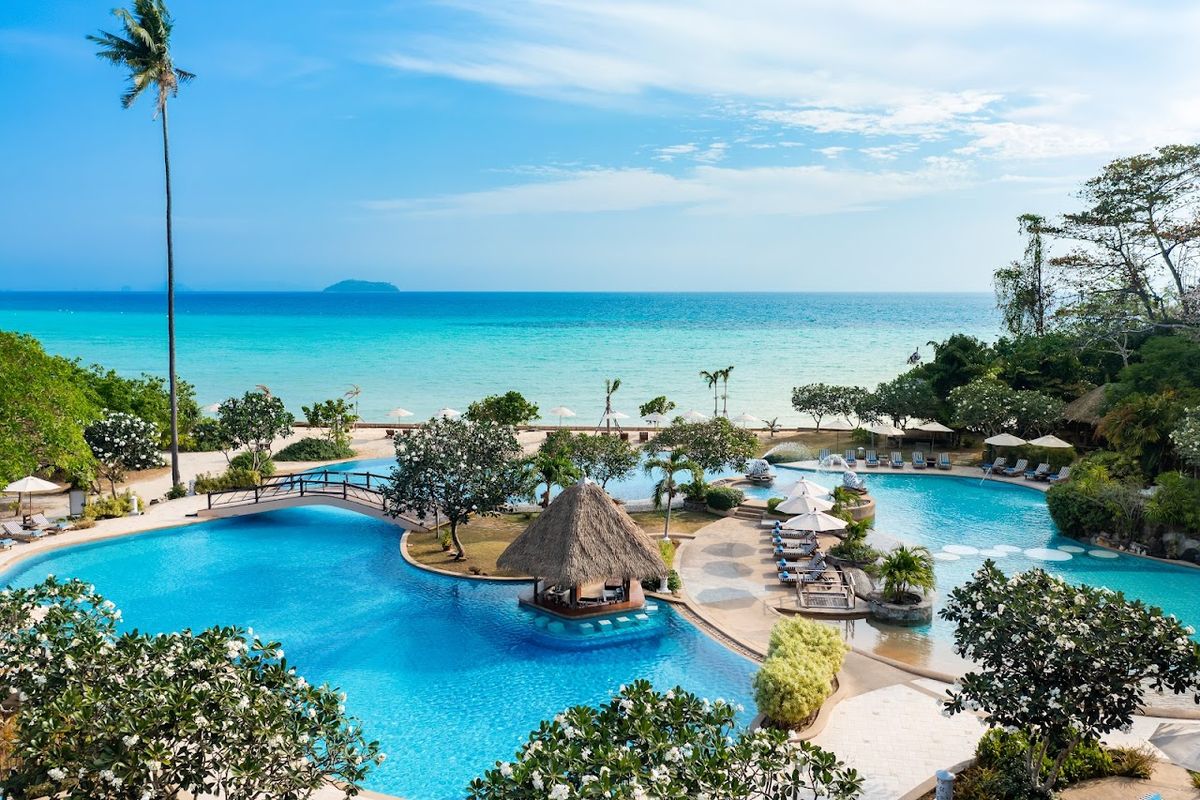
North of Ao Nang, these quieter beaches are where the resorts and slow days are. If your idea of a good holiday is a pool, a book and a flat sea, base here instead of the busy strip — the Klong Muang & Tubkaek area guide has the picture.
A few honest skips
Not everything marketed to you is worth the money or the time. Tiger shows and elephant-riding camps are best avoided on welfare grounds — plenty of ethical alternatives exist if you want to see animals. The “ATV and zipline” combos inland are fine but generic, and you can do them anywhere. And if your days are tight, don’t try to cram both Phi Phi and a second island day in — you’ll spend the trip on boats. Pick the experiences that are specific to Krabi (the karst beaches, Railay, the inland pools and temple) over the ones you could do in any beach town.
Getting the timing right
Two bits of timing make a real difference. First, do the water-based activities early in your trip and in the morning, when the sea is calmest and the light is best — and keep the inland temple-and-pool day as your wet-weather or rough-sea backup. Second, book the popular island tours a day ahead rather than on the morning, especially in high season, so you’re not left scrambling for a seat. If islands are the main draw, weight your dates toward the dry season, November to March, when the boats run reliably and cancellations are rare.
Roughly what it costs
Budget-wise, the big-ticket activities cluster in a predictable range: island day tours run ฿900–1,700 (US$26–50) per adult depending on which and by what boat, plus a ฿300–400 national park fee each. A half-day of climbing is ฿1,000–1,500. The temple, the beaches and the sunsets cost little or nothing. A realistic plan is one or two paid island days, one inland day, and the rest filled with the cheap and free — which keeps a Krabi trip good value even when you do the headline experiences. See Krabi on a budget for the full breakdown.
How to fit it together
Most people spend three or four days here and still don’t run out. If that’s you, the 3-day Krabi itinerary stitches the best of the above into a workable plan. Sort a base first — the Ao Nang area guide and the hotels list will get you started — then book one island day and keep the rest loose.
FAQ
What are the best things to do in Krabi?
A Four Islands or Hong Islands boat day, a trip to Railay, and Tiger Cave Temple if you want a free inland climb. Climbing at Railay and a night market fill a longer stay. One or two paid boat days is enough.
How much is the Four Islands tour?
About ฿900 per adult by longtail, a bit more by speedboat, plus the ฿400 foreign adult national park fee paid at the pier.
Is Tiger Cave Temple free?
Yes. You pay for the ride: about ฿50 by songthaew from Krabi Town, or about ฿150 from Ao Nang. The climb is 1,200-plus steps, so go early and take water.


.jpeg)