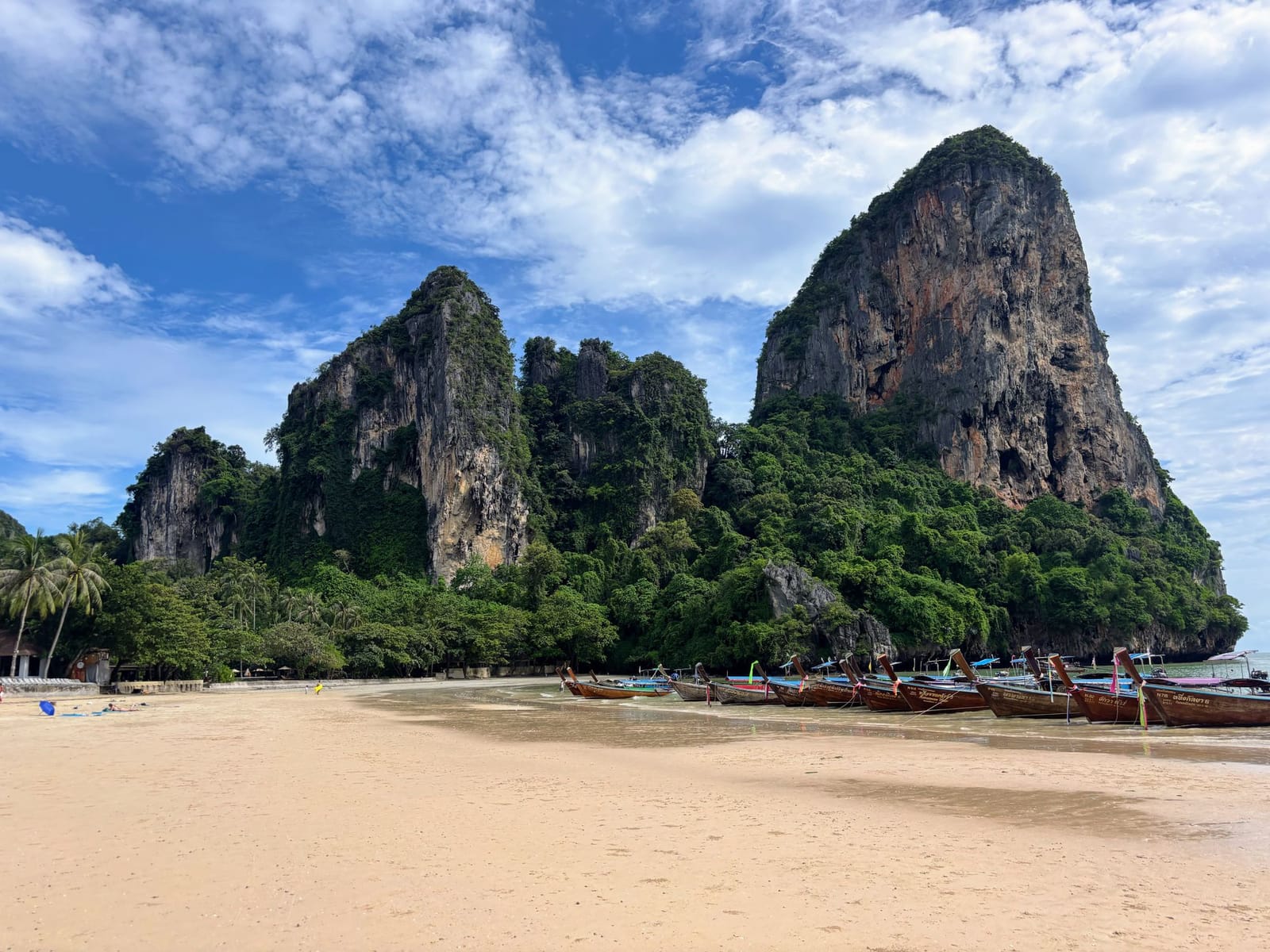
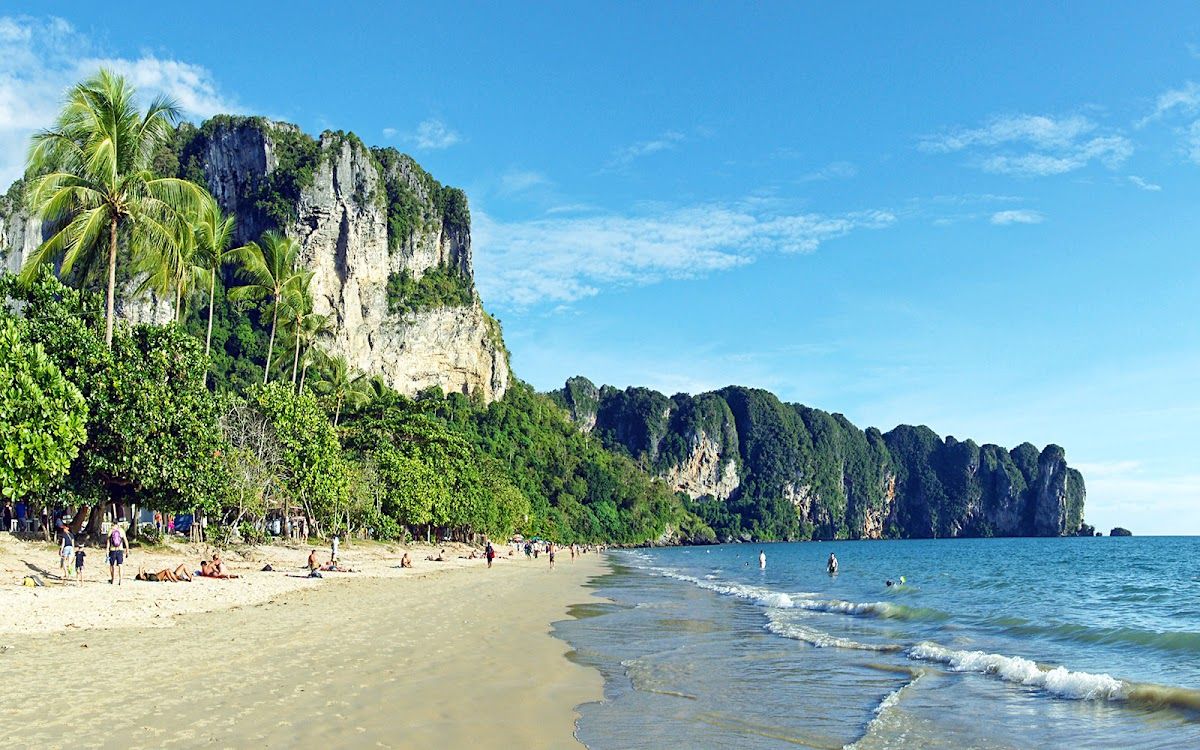
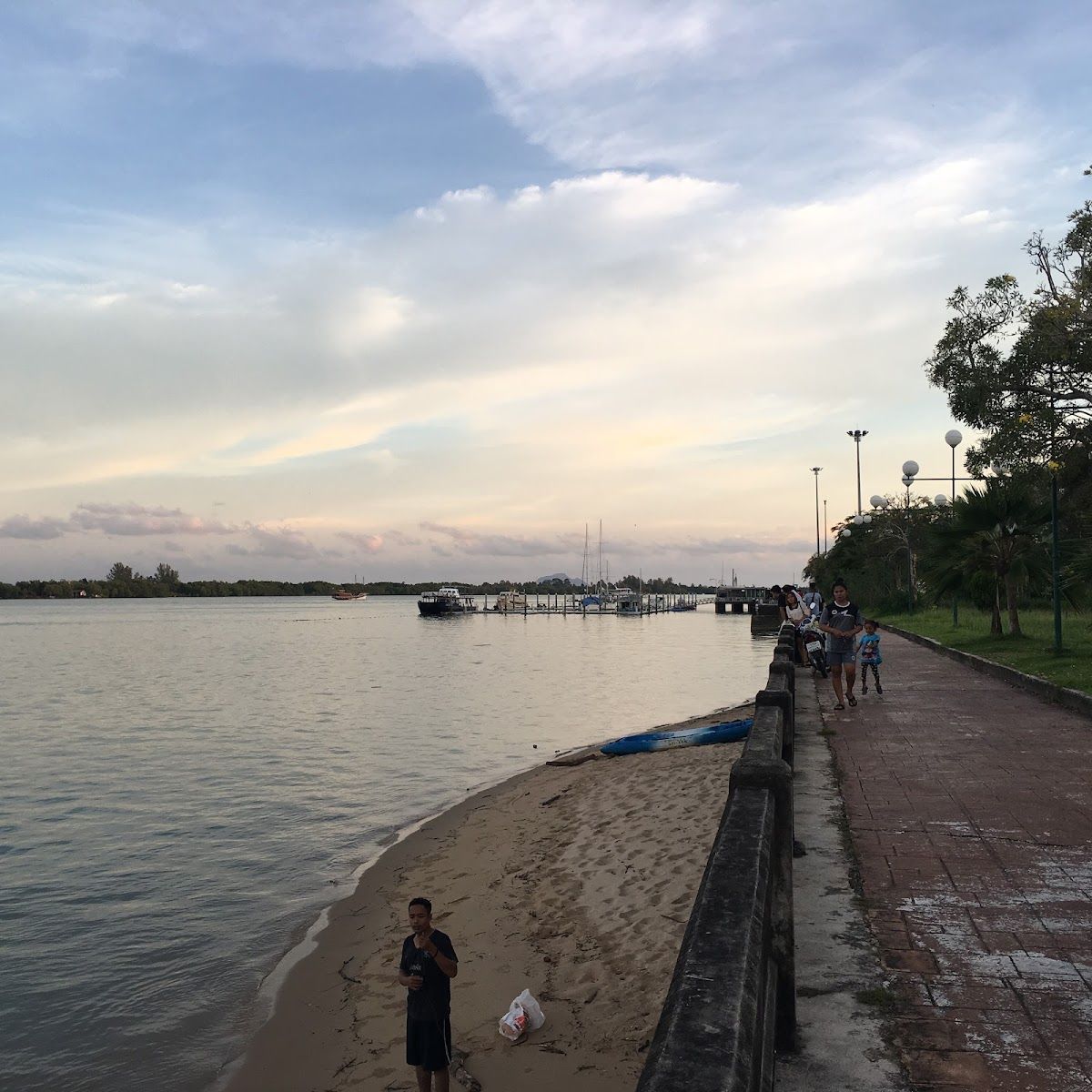

Krabi can be a resort splurge or a backpacker bargain, and the gap between the two is mostly about where you sleep, where you eat, and how you get around. Stick to guesthouses, markets and songthaews and it’s one of the better-value corners of Thailand. Here’s what a day actually costs, and where to trim without wrecking the trip.
Quick facts
Checked 12 October 2026, except where a hotel figure below points at the stay guide’s Agoda check of the same day.
- Budget hotels: dorms and basic rooms about ฿200–450. Krabi Town is cheaper than the beach. Named town hotels with checked transfer fees are in where to stay and Krabi Town and airport hotels.
- A frugal day: about ฿900–1,450 before a big tour. Market plates ฿40–80. Songthaew Ao Nang to Krabi Town about ฿50–60.
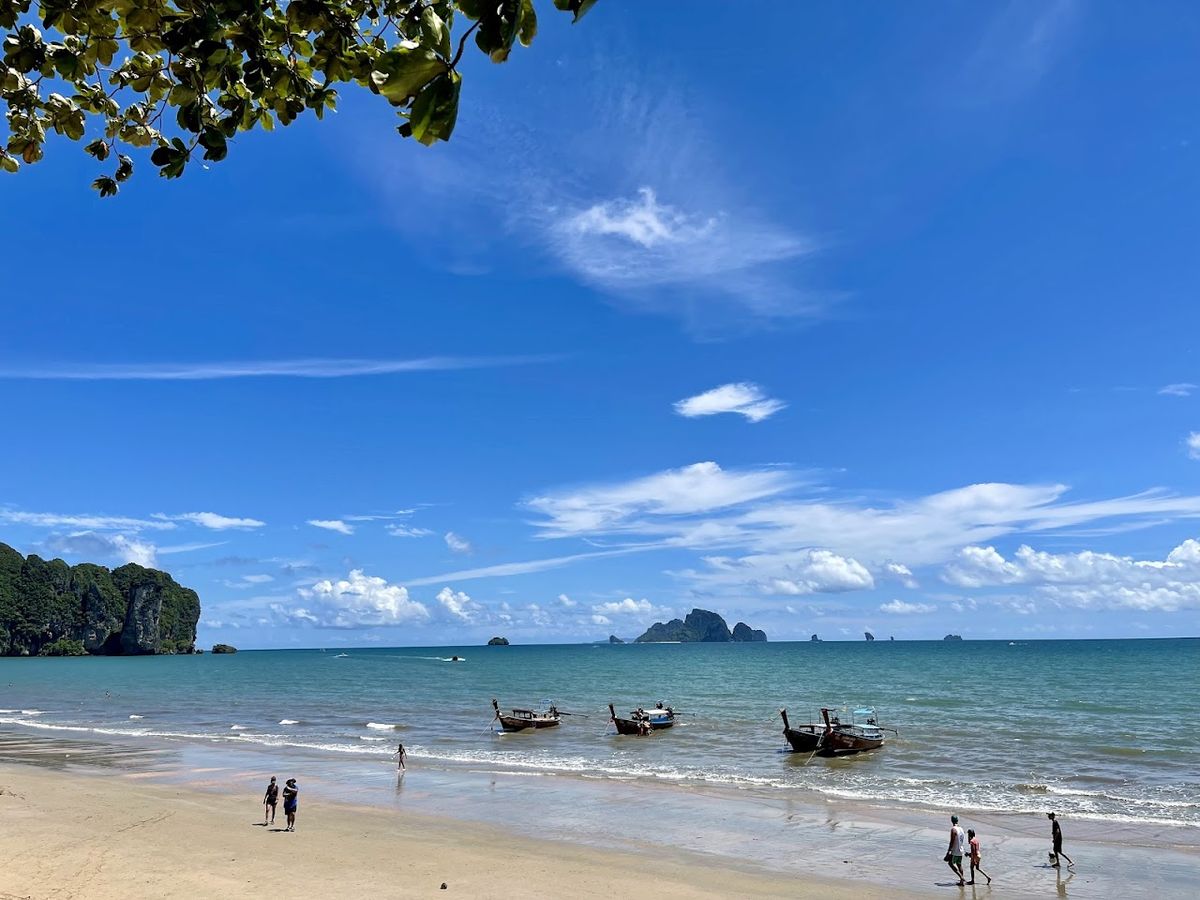
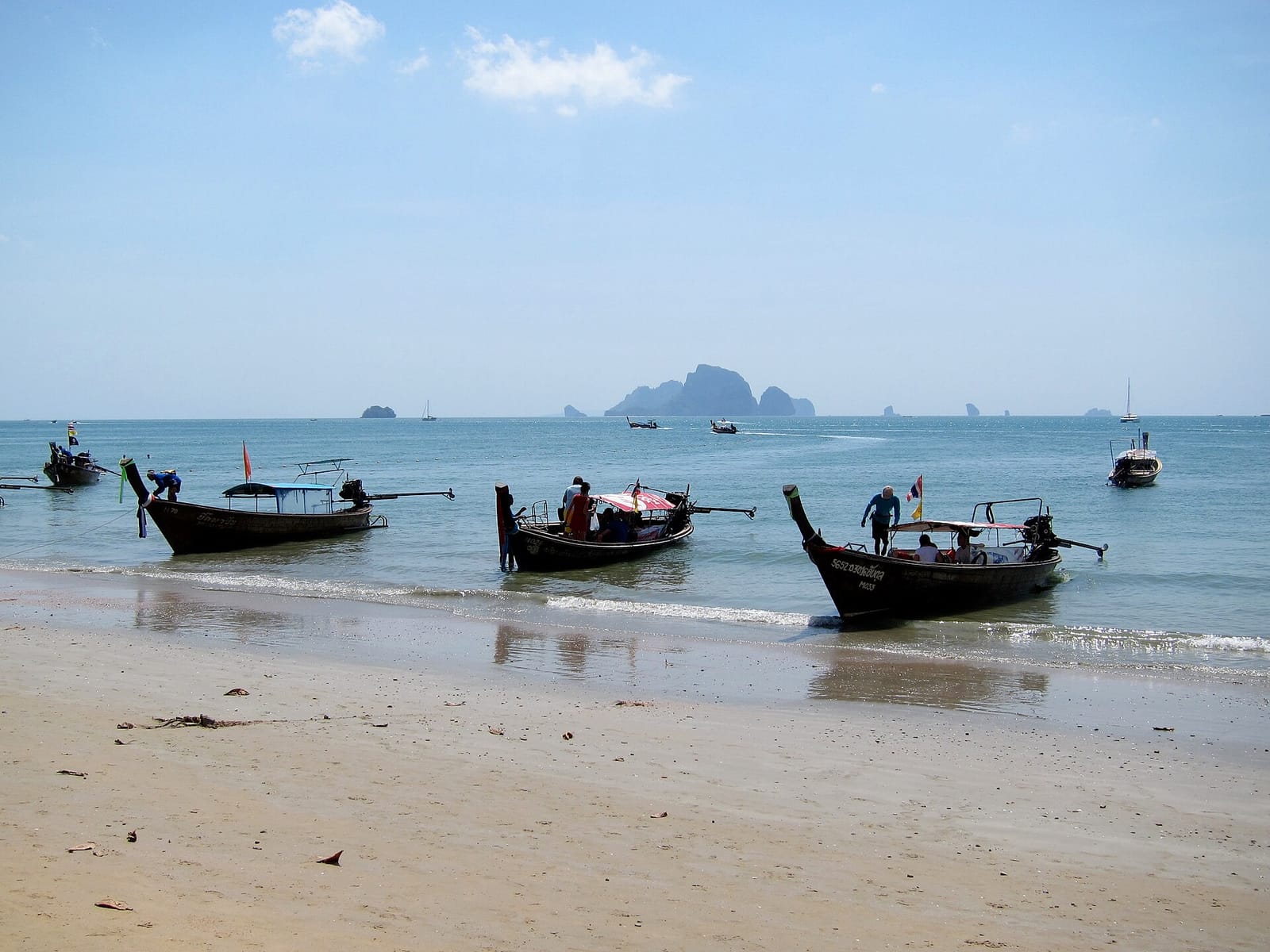
- Railay for almost nothing: ฿100 longtail each way from Ao Nang, 08:00–18:00.
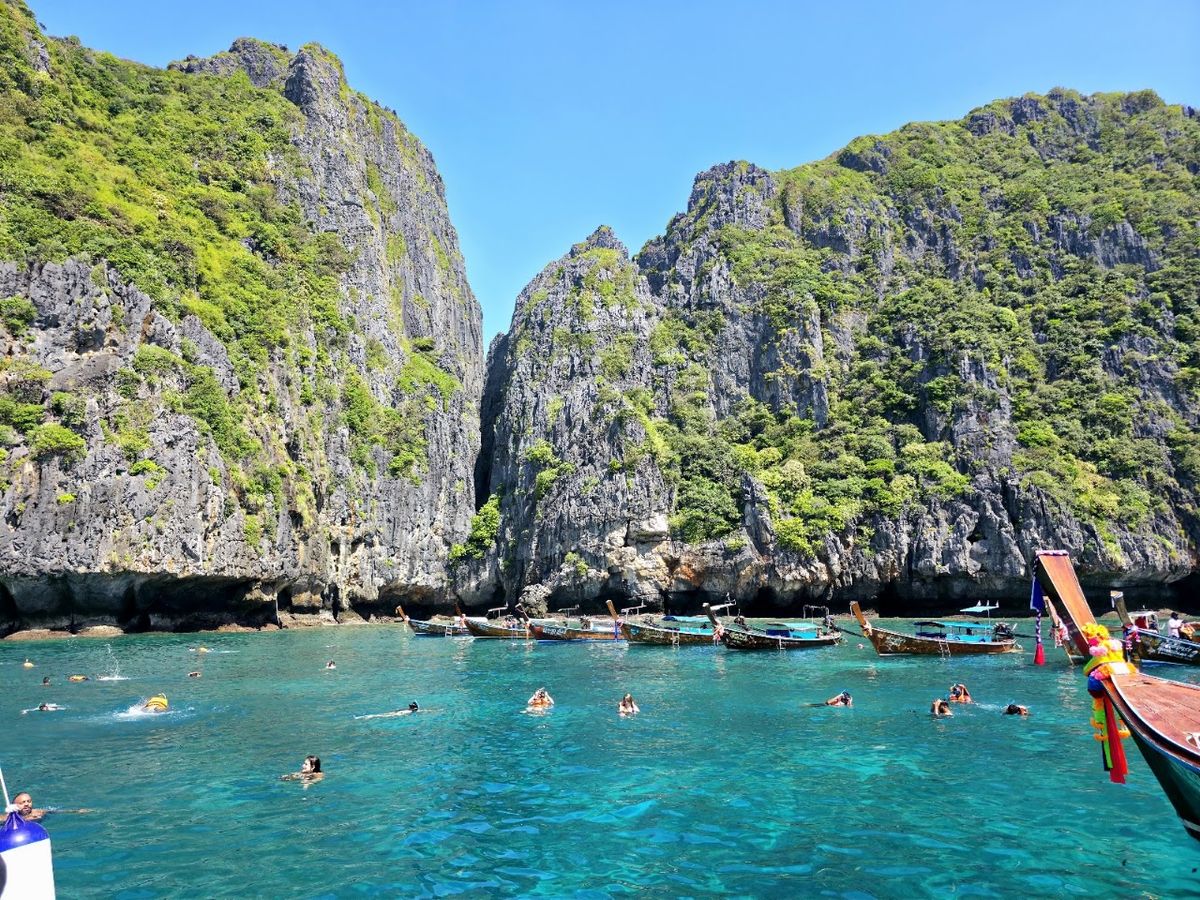
- The splurge worth making: Four Islands, about ฿900 plus ฿400 park fee for a foreign adult (Tourism Authority of Thailand).
- Free: Tiger Cave Temple, Ao Nang sunsets, a walk around Krabi Town.
Compare beds on the hotel list. The beach-price version of this question is the beachfront hotels guide.
The short version
- Backpacker day: roughly ฿900–1,450 (US$26–43) all in — dorm, market food, local transport, the odd cheap activity.
- Cheapest base: Krabi Town, not the beach — beds and food cost less. See the Krabi Town area guide.
- Eat at markets: plates from ฿40–80; a market dinner for two under ฿300. Details in the food guide.
- Free and cheap wins: Railay for a ฿100 boat, Tiger Cave Temple (free), Ao Nang sunsets (free).
- High season adds 20–40% to rooms — travel shoulder or green season to save. See best time to visit.
What a day costs
A realistic budget day in Krabi breaks down like this:
- Bed: ฿200–450 for a dorm or a basic guesthouse room (more in Ao Nang, less in Krabi Town).
- Food: ฿250–400 eating at markets and street stalls for all three meals.
- Local transport: ฿100–200 in songthaews and the odd longtail.
- Activity/incidentals: ฿150–400 depending on the day — some days are near-free, island days aren’t.
That lands a frugal traveller around ฿900–1,450 a day before big-ticket tours. Add an island day and that single day jumps well past it — which is why the trick is to mix cheap days with the occasional splurge.
Sleep cheap
Krabi Town is where the budget hotels are — guesthouses and hostels at prices the coast can’t match, plus the best food and the transport links. You trade beach-on-your-doorstep for a ฿60 songthaew to the coast, which for a tight budget is a fair swap. In Ao Nang, look a block or two back from the beach where dorms and small guesthouses undercut the seafront hotels. On Railay, the cheapest rooms are on the mangrove Railay East side. Book ahead in high season when cheap rooms vanish first.
On the where to stay check of 12 Oct 2026, Krabi SeaBass in town listed breakfast at ฿250 and an airport transfer of ฿600, the lowest transfer on that page. That is a private room with a score, not a dorm. Dorms and basic guesthouses are the ฿200–450 band above.
Eat for next to nothing
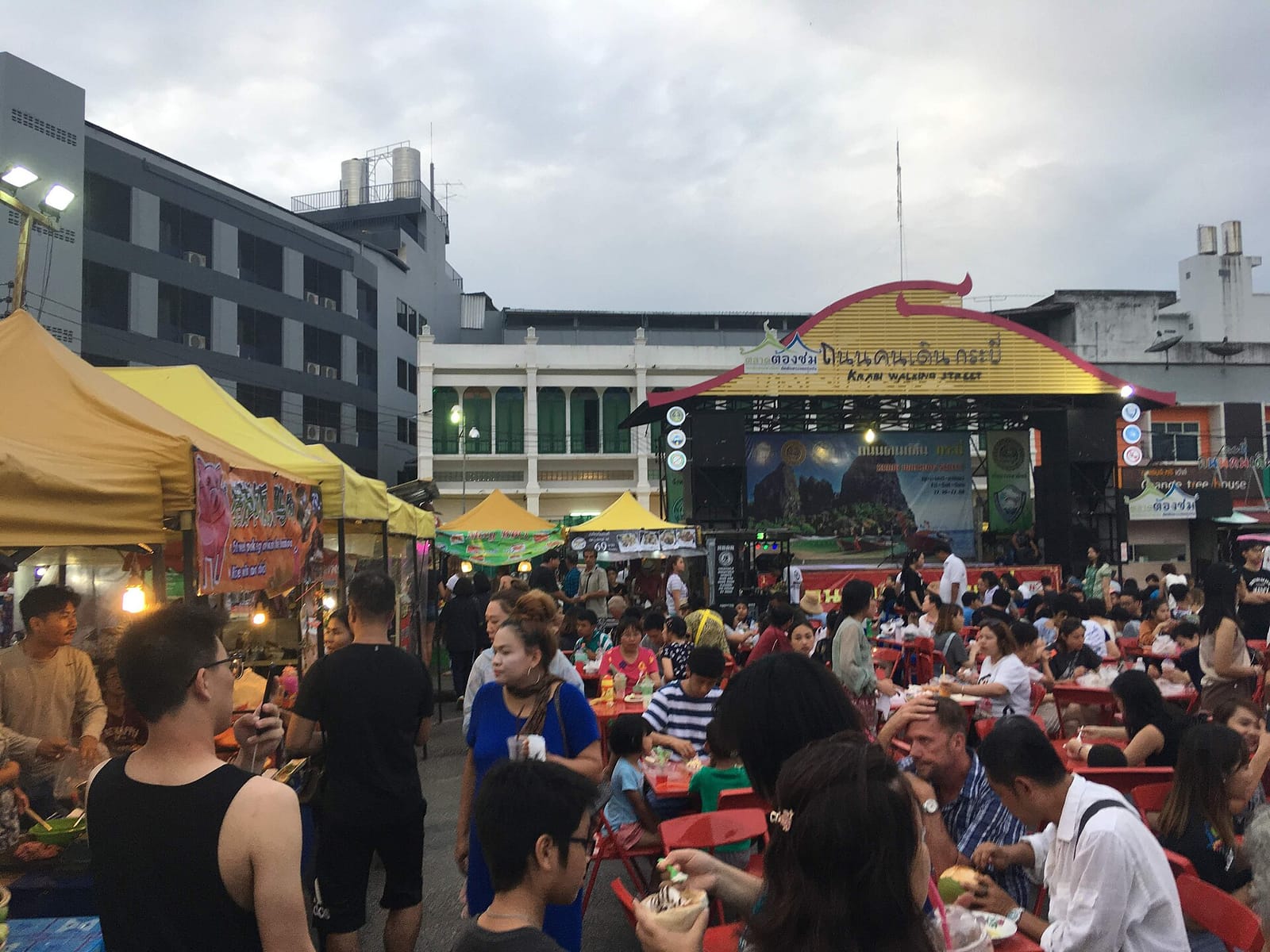
This is where Krabi shines for the budget-minded. Skip the tourist restaurants and eat where locals eat: the Krabi Town markets put a full dinner in front of you for pocket change — grilled seafood by weight, curries over rice, roti, fruit shakes. Street plates run ฿40–80, and two people can eat well at a night market for under ฿300. Fresh fruit, coconuts and market snacks keep daytime costs down too. A rule that rarely fails: the busier the stall, the better and safer the food.
Get around for less
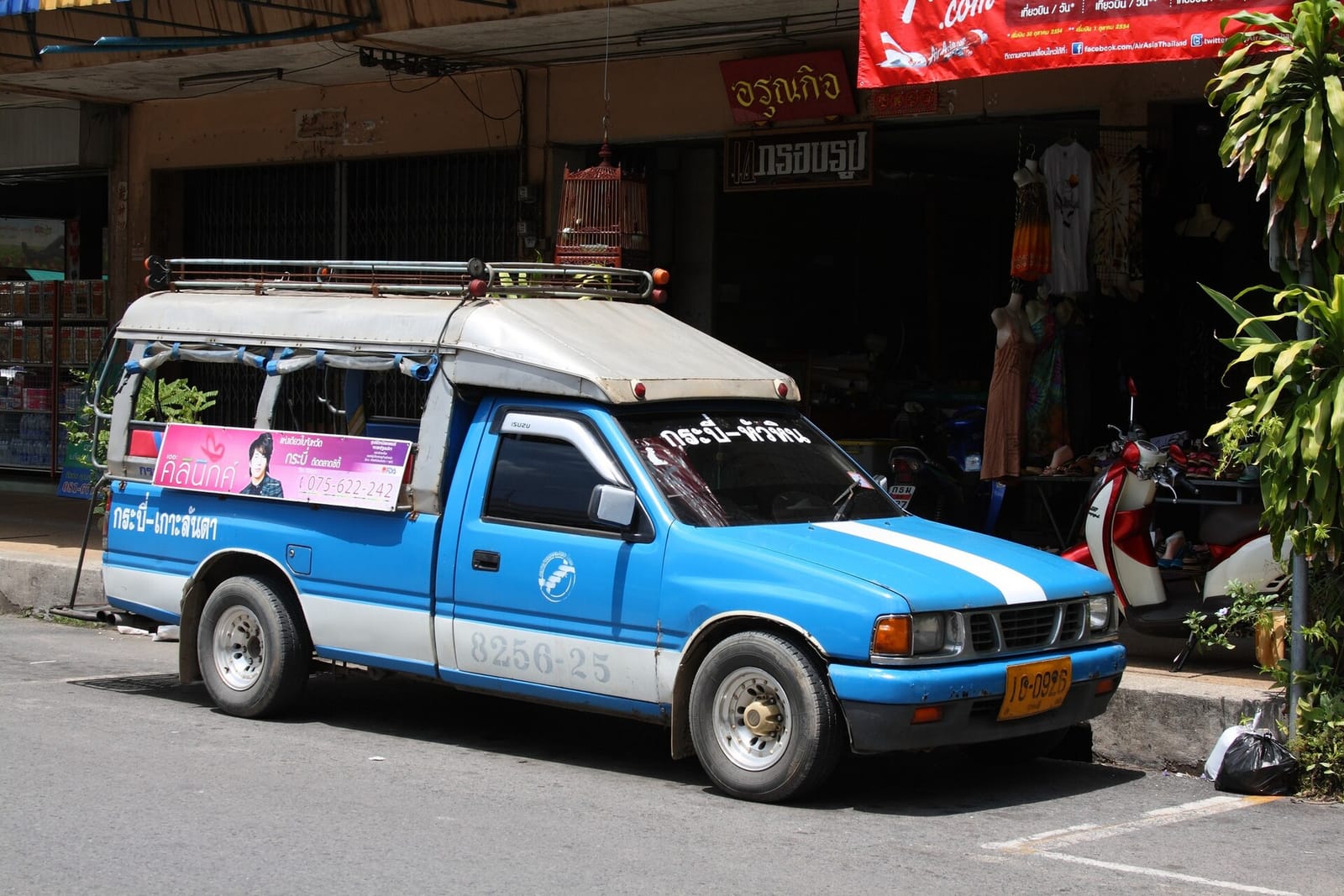
- Songthaews are your friend: ฿60 between Ao Nang and Krabi Town, ฿20 for short hops. Agree the fare first.
Free and cheap things to do
You don’t need to spend big to have a full trip:
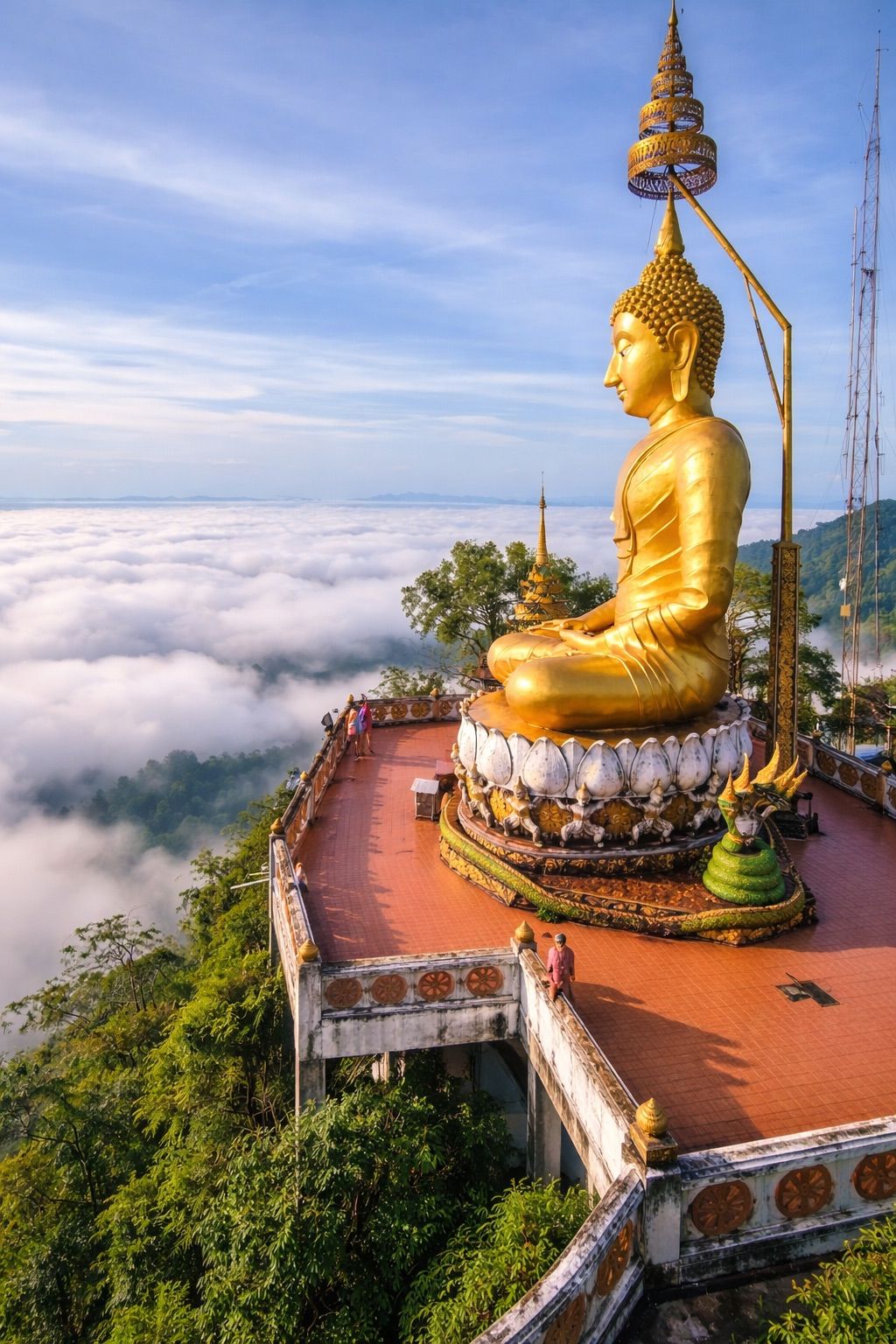
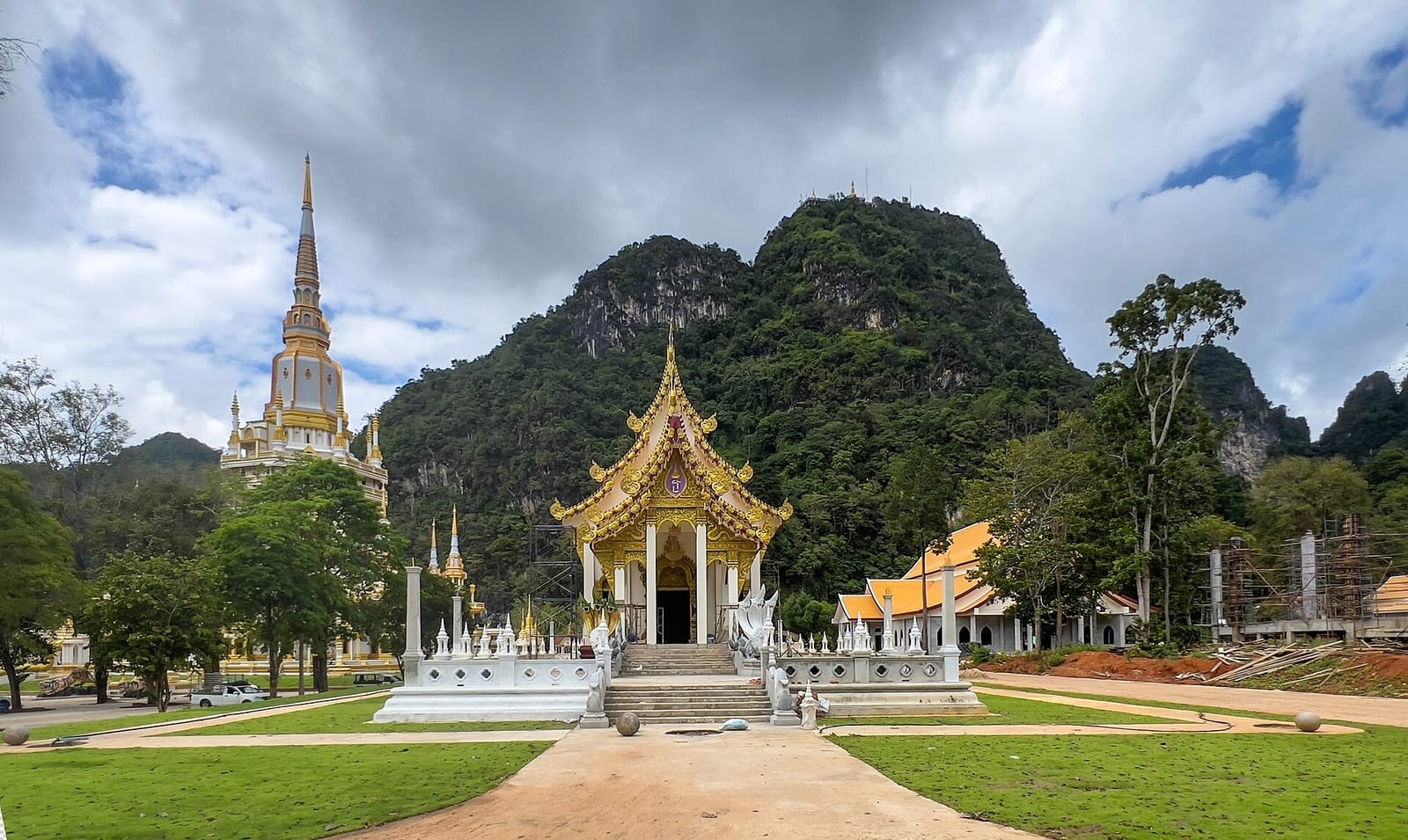
- Tiger Cave Temple — free entry, and the best view in Krabi. Just the songthaew to get there. See day trips.
Where to spend
Some things are worth the money even on a budget. An island day — the Four Islands at around ฿900 plus the ฿400 park fee — is the reason you came, so budget for at least one. A half-day of rock climbing at Railay is a splurge you won’t regret. Everything else can be done cheap, which frees up the baht for the experiences that matter.
A sample three-day budget
Here’s what a careful but not miserable three days might look like, per person, basing in Krabi Town or back-street Ao Nang:
- Beds, 3 nights: ฿600–1,350 (dorm to basic private room).
- Food, 3 days: ฿750–1,200 eating at markets and stalls.
- Local transport, 3 days: ฿300–500 in songthaews and longtails.
- One Four Islands tour: ฿900 seat + ฿400 park fee = ฿1,300.
- Free days: Tiger Cave Temple, Ao Nang sunsets, a Railay beach day (฿100 boat), Krabi Town wandering.
That lands around ฿3,850–5,750 (US$113–170) for three days including one big island tour — proof you can do the headline experience and still keep the trip cheap. Add a second tour and it climbs, so pick the one or two that matter most.
Money and cards
Thailand runs on cash at the budget end. Markets, stalls, songthaews and longtails are cash-only, so keep small notes on you. ATMs are everywhere but charge a fixed foreign-card fee per withdrawal (often around ฿220), so take out larger amounts less often to save on fees. Card and mobile payment work at hotels, bigger restaurants and supermarkets, but don’t rely on them for day-to-day spending. Tell your bank you’re travelling, and carry a backup card separately in case one gets swallowed or blocked.
Time it right to save more
Peak season (November–March) pushes room prices up 20–40%, especially over Christmas and New Year. Come in the shoulders — late October to November, or May into June — and you’ll pay noticeably less for near-as-good weather, with the islands still running. Deep green season (September–October) is cheapest of all, with the trade-off of rain and some cancelled boats. The full picture is in best time to visit.
Cutting costs on tours
The island days are where budgets blow out, so spend smart. Book directly with a local operator or through your hotel rather than an international booking site, which often marks the same tour up. Longtail trips undercut speedboats. Join-in group tours are a fraction of a private charter, and shoulder-season prices beat peak. Ask exactly what’s included — lunch, snorkel gear, the park fee, hotel pickup — so you’re comparing like with like and not paying twice. And remember the ฿300–400 park fee is almost always on top of the headline price, so factor it in when you compare quotes. One well-chosen tour beats two rushed cheap ones.
Staying connected for less
Skip roaming and buy a local SIM or eSIM. Tourist data SIMs from the big Thai networks are cheap — a week or two of generous data runs a few hundred baht — and you can grab one at the airport or any phone shop and have it working in minutes. It covers maps, Grab, tour bookings and messaging home, and saves you hunting for wifi. Most guesthouses and cafés have free wifi too, so between the two you needn’t spend much to stay online.
The budget plan
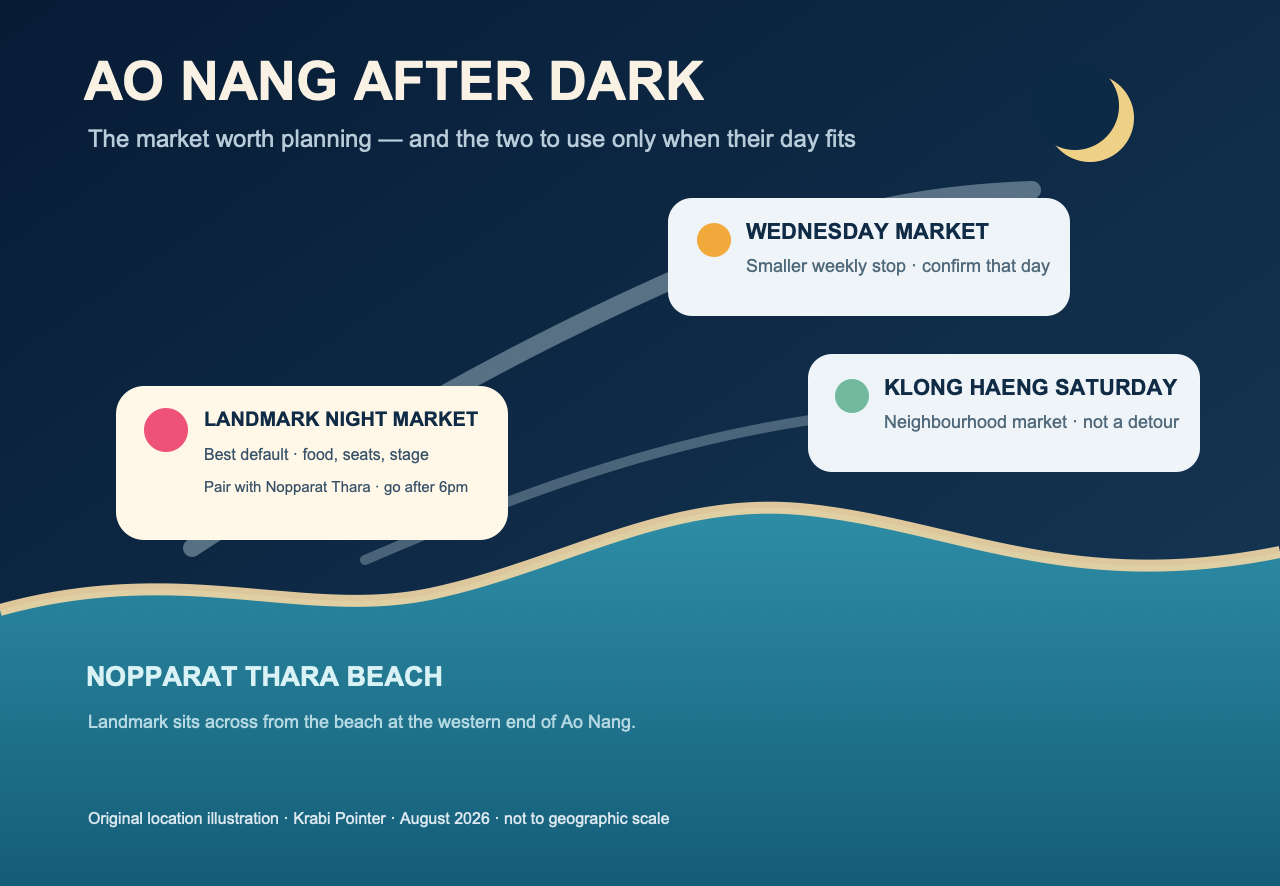
Base in Krabi Town or a block back in Ao Nang, eat at the markets, move by songthaew and longtail, fill your days with the free stuff, and spend on one or two island tours that make the trip. Do that and Krabi is cheap without feeling cheap — compare beds on the hotels list and shape the days with the 3-day itinerary. Night-market evenings are mapped in the Ao Nang night markets guide.
FAQ
Where are the budget hotels in Krabi?
Krabi Town, and the lanes a block or two back from Ao Nang beach. Seafront Ao Nang and Railay West cost more for the same bed. On Railay, the cheaper rooms are on the east side.
How much is a budget hotel in Krabi?
A dorm or basic guesthouse room is about ฿200–450 a night, higher in Ao Nang than in Krabi Town, and 20–40% more in peak season (November–March). A checked town hotel such as Krabi SeaBass is a step up from that dorm band; see where to stay for the 12 Oct 2026 Agoda figures.
How much does a day in Krabi cost on a budget?
About ฿900–1,450 for bed, market food and local transport, before an island tour. A Four Islands day adds about ฿900 plus the ฿400 park fee.
Is the Railay boat expensive?
No. The shared longtail from Ao Nang is ฿100 one way in daylight, checked 12 October 2026. It is one of the cheapest good half-days in the province.
What can you do in Krabi for free?
Tiger Cave Temple (the songthaew is the only cost), sunset on Ao Nang beach, Nopparat Thara, and a walk around Krabi Town’s river and markets.