
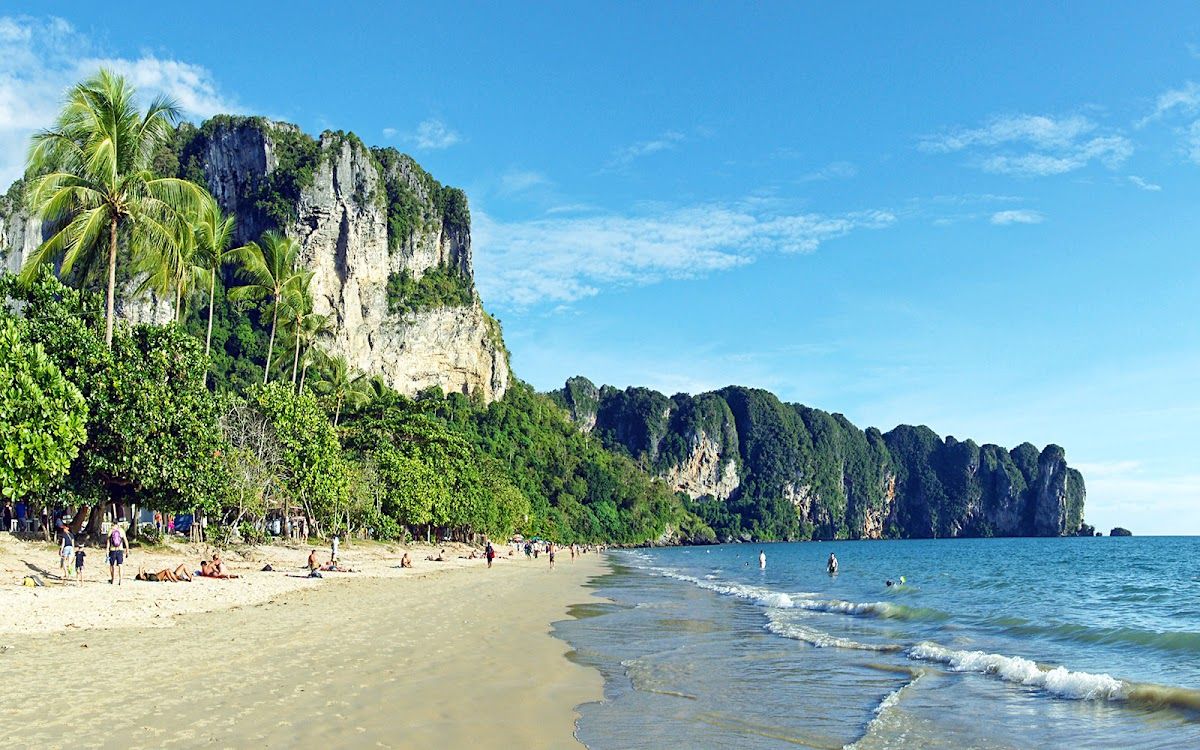
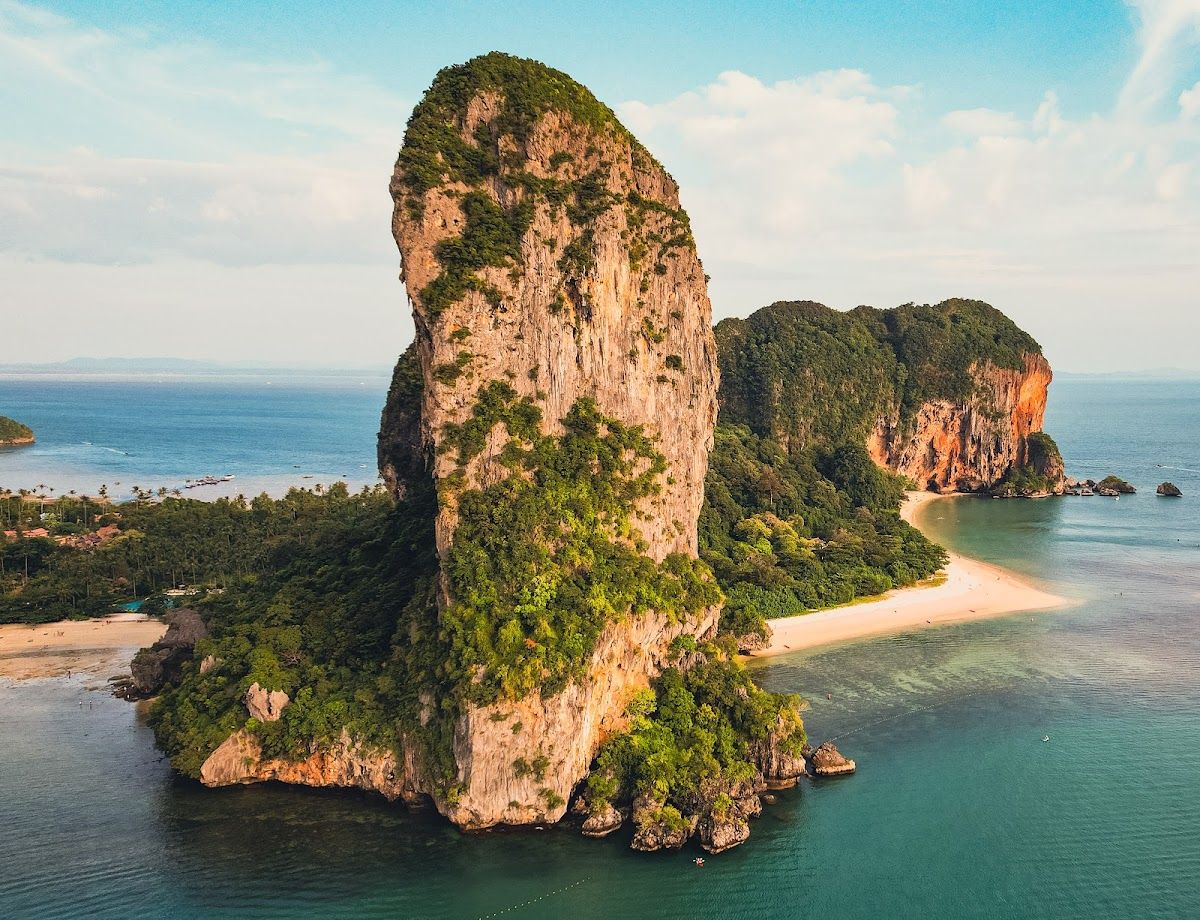
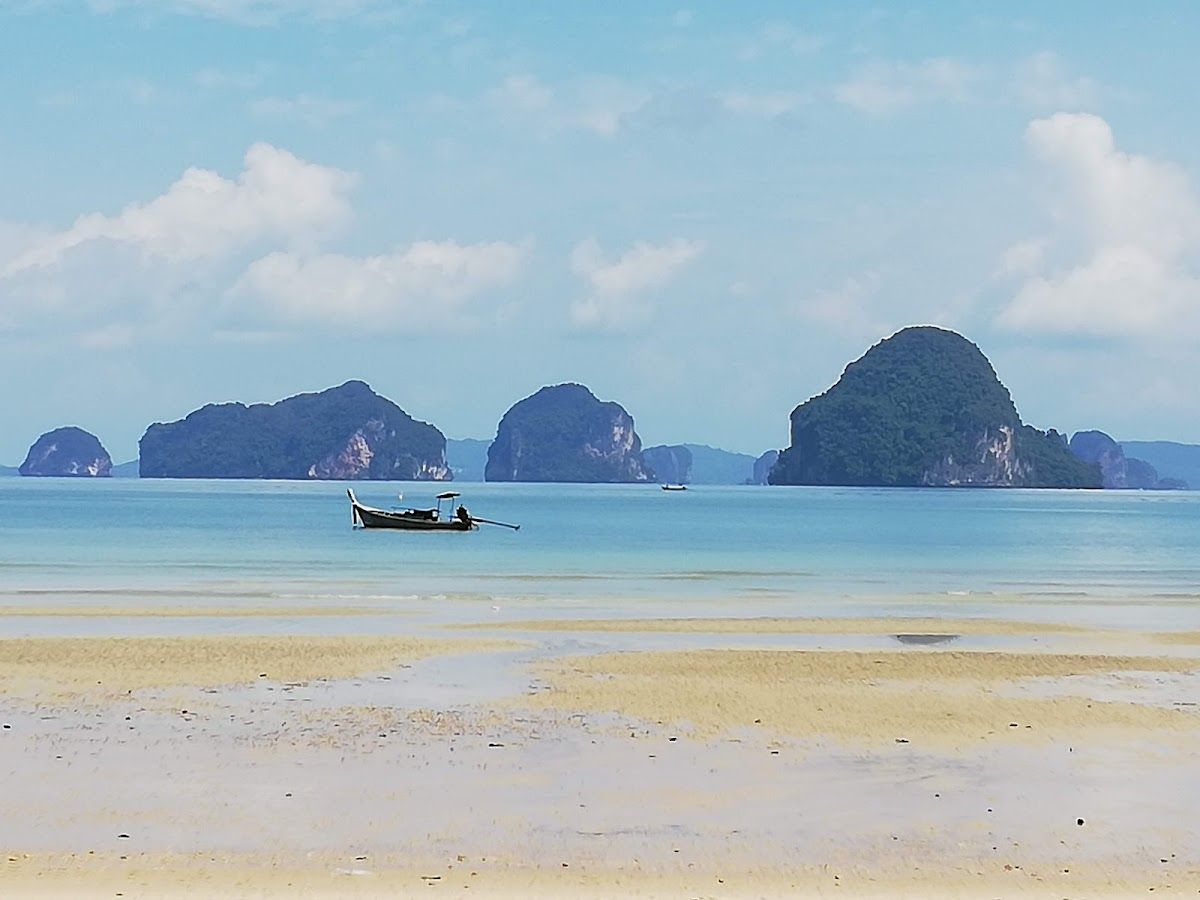
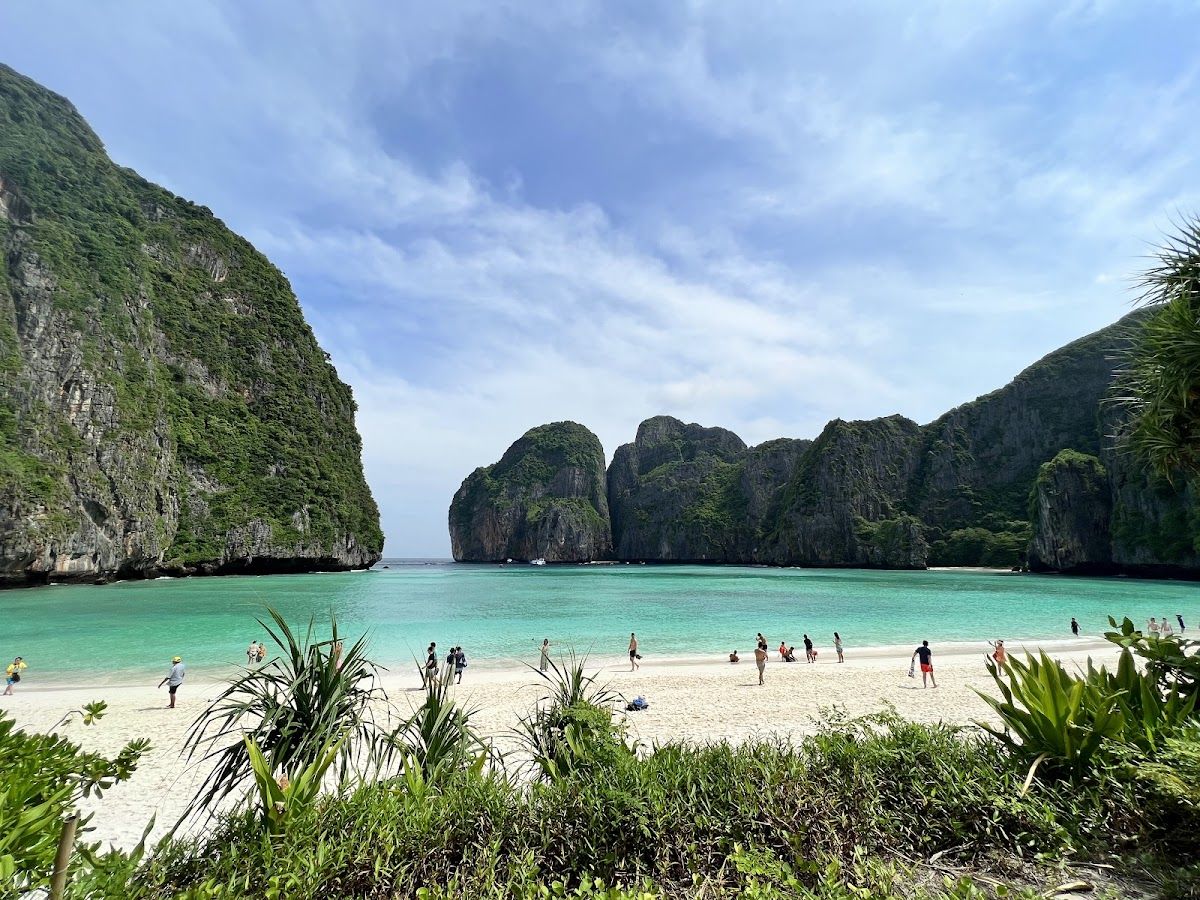

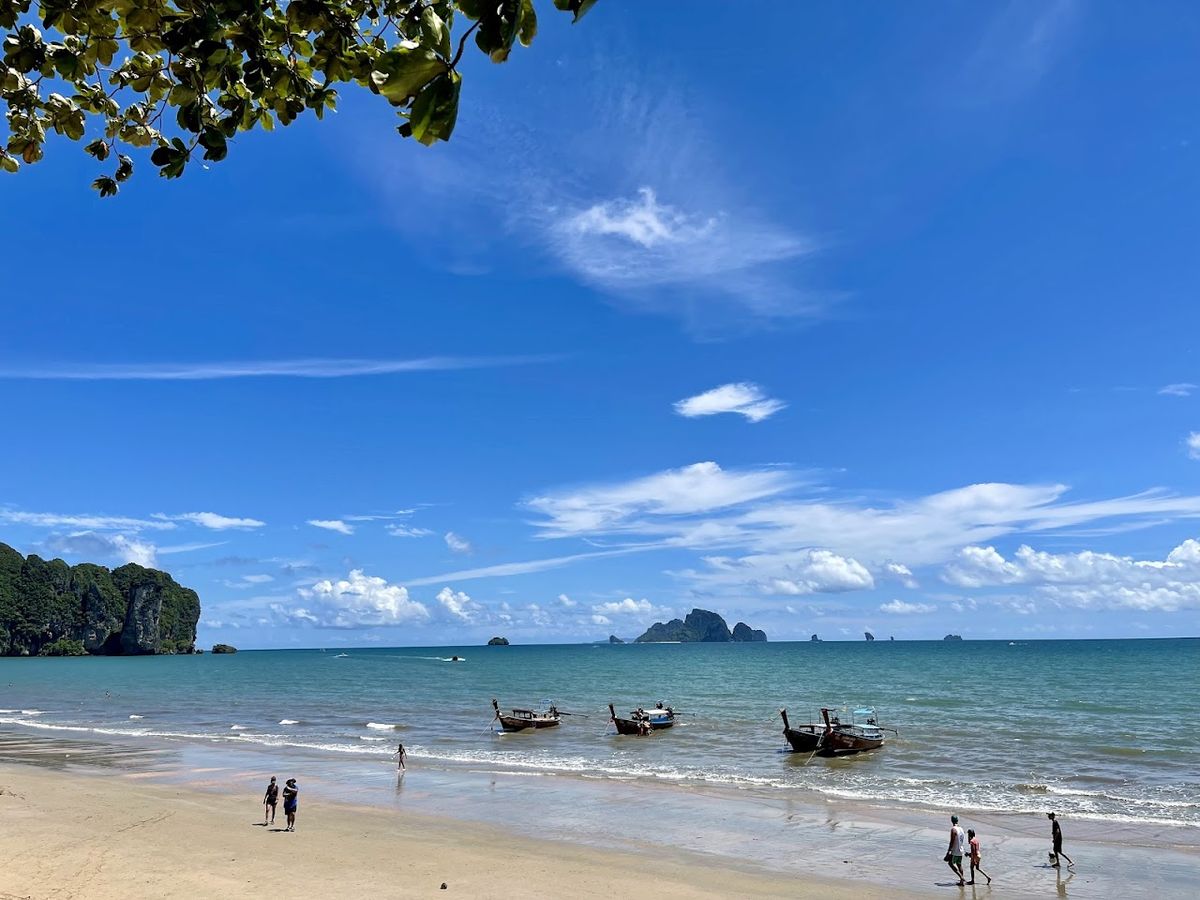
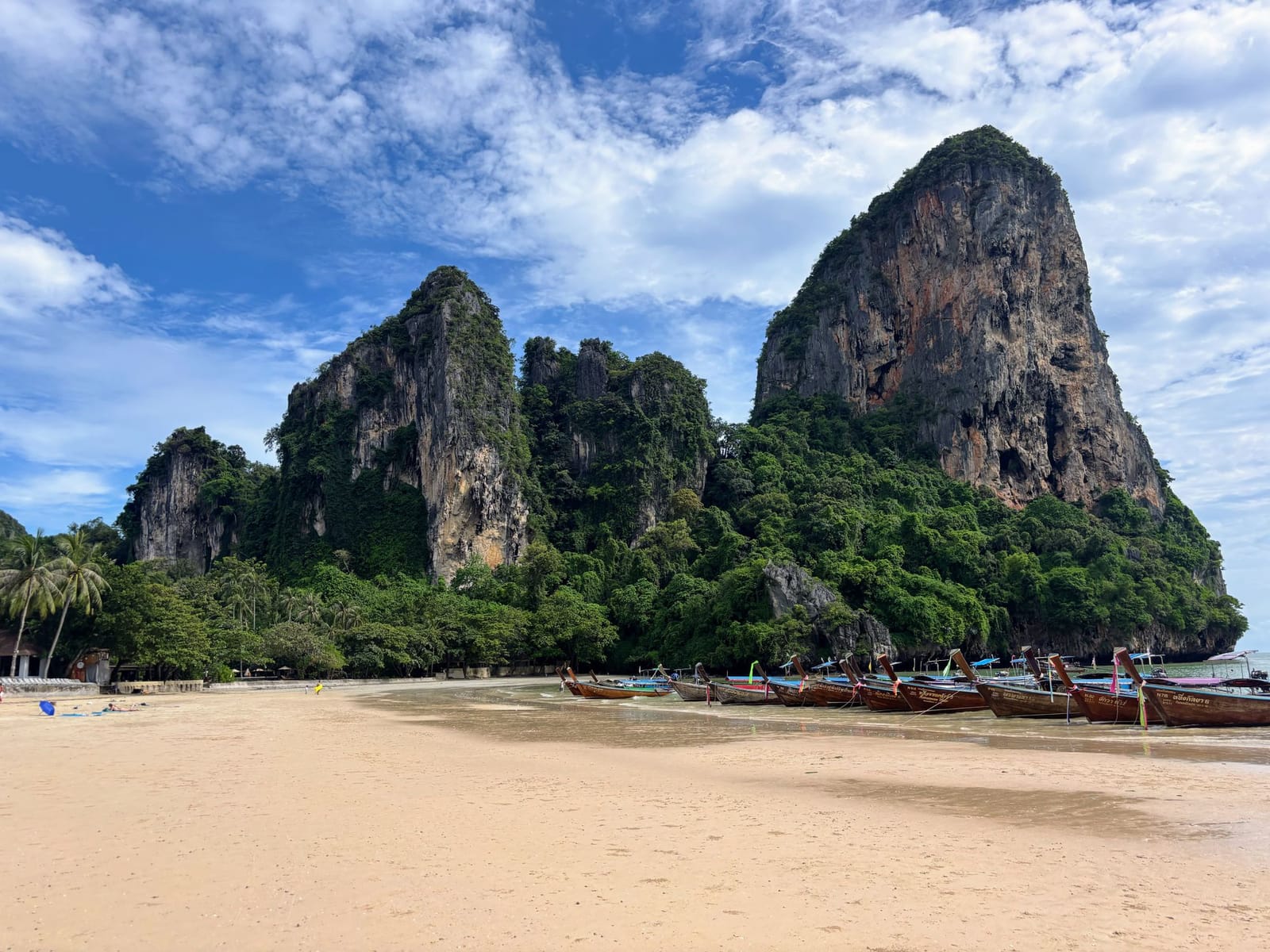
Railay is the picture most people have of Krabi. Limestone cliffs, a flat green sea, a beach you can only reach by boat, climbers on the walls above the sand. It is a peninsula, not an island. The cliffs cut the road off, so it feels like one anyway.
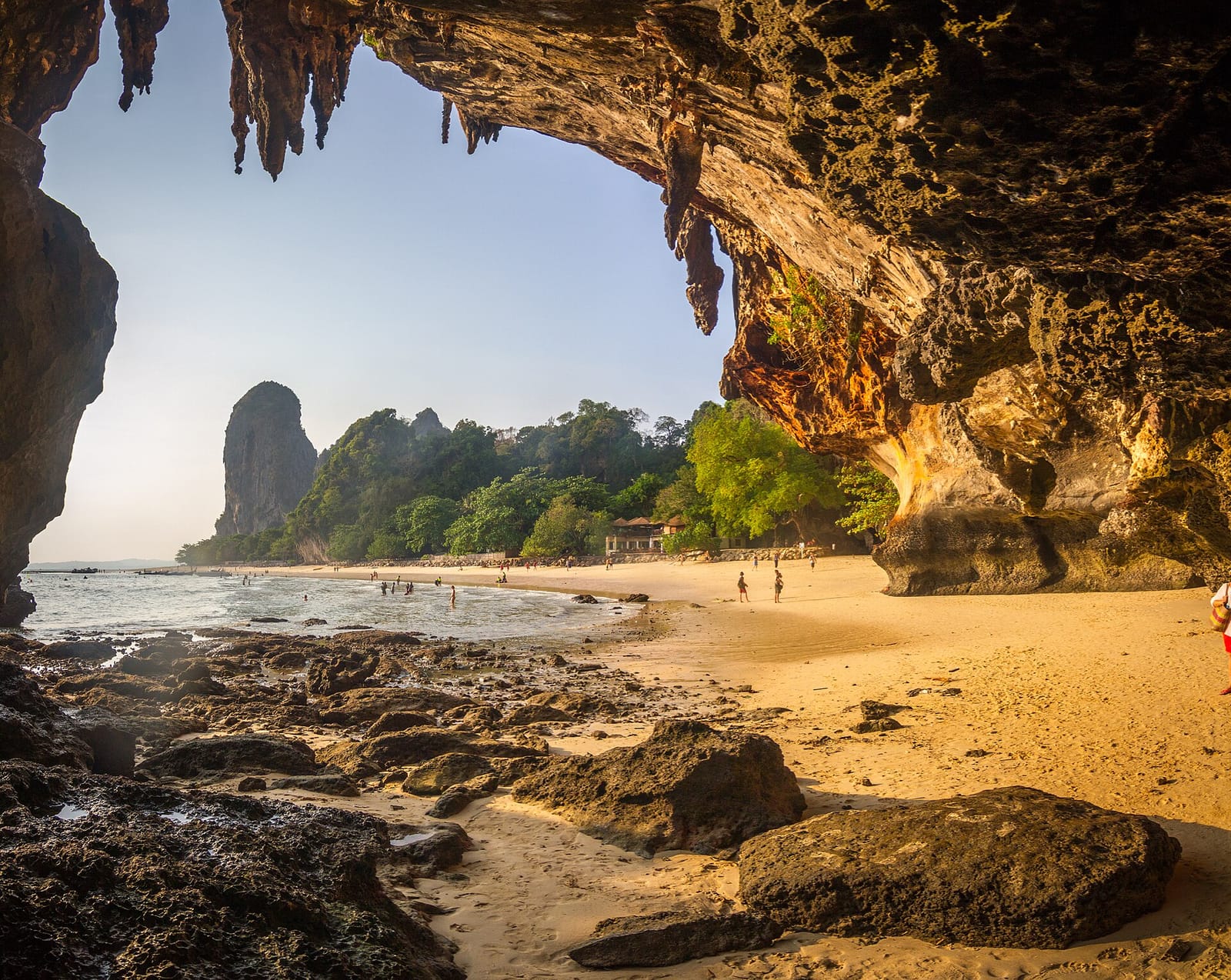
Princess Cave Railay is the free stop. Tham Phra Nang sits at the end of Phra Nang Beach, and in 2026 the price is still zero. It is the best short walk if the cliffs are why you came and you only have the afternoon.
Quick facts
Reviewed 12 October 2026.
- Princess Cave: free. No ticket and no gate. It is Tham Phra Nang, at the end of Phra Nang beach.
- The boat: ฿100 one way from Ao Nang, 10 to 15 minutes, about 8am to 6pm. After 6pm you charter.
- Climbing: half-day beginner courses about ฿1,200 to ฿1,750 with gear. Several 2026 listings sit at ฿1,500.
- Stay or day-trip: a day trip needs nothing booked beyond the boat. Rooms are in Railay beach hotels.
The short version
- Getting there: shared longtail from Ao Nang beach, ฿100 each way (฿200 return), 10–15 minutes, about 8am to 6pm. No road in.
- The beaches: Railay West (postcard), Railay East (mangrove, cheaper), Phra Nang (the best), Tonsai (climbers).
- Don’t miss: Phra Nang cave beach around the headland. The Princess Cave is at the end of it. Stay for sunset on Railay West.
- Climbing: half-day beginner courses about ฿1,200–1,750 with gear. Several 2026 listings sit at ฿1,500.
- Day trip or stay? Day trip is easy; a night lets you have the beaches without the crowds. See where to stay.
Getting to Railay
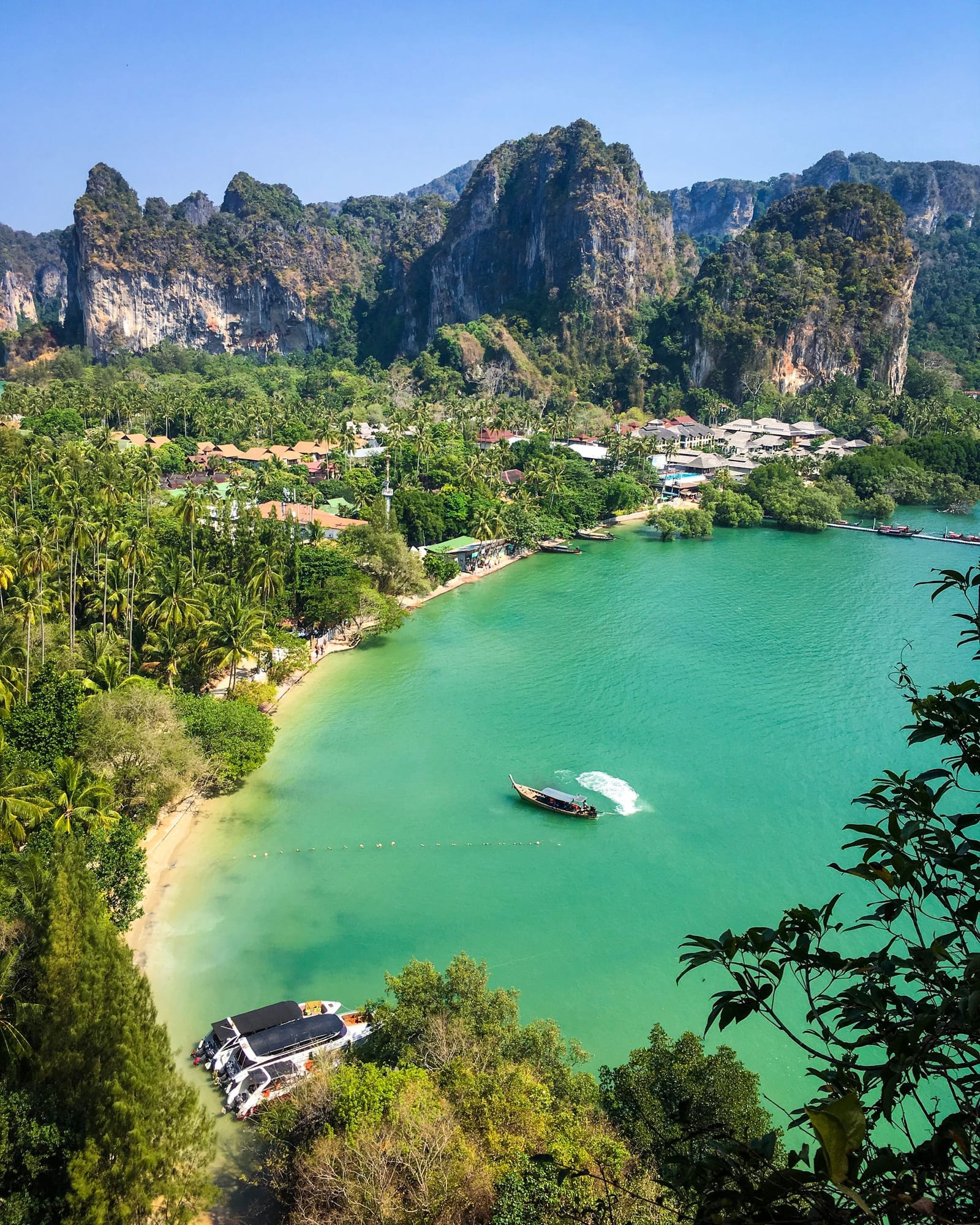
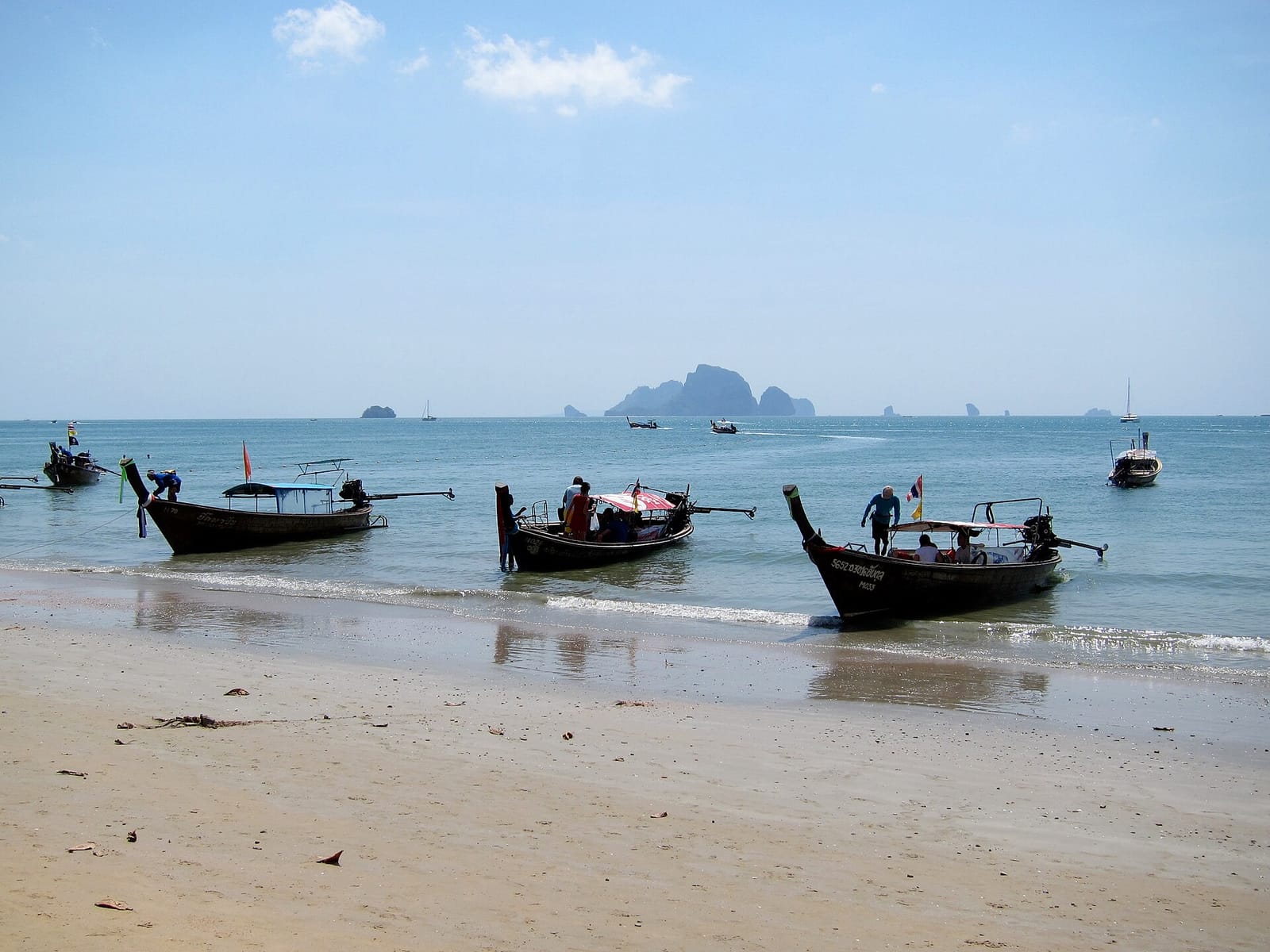
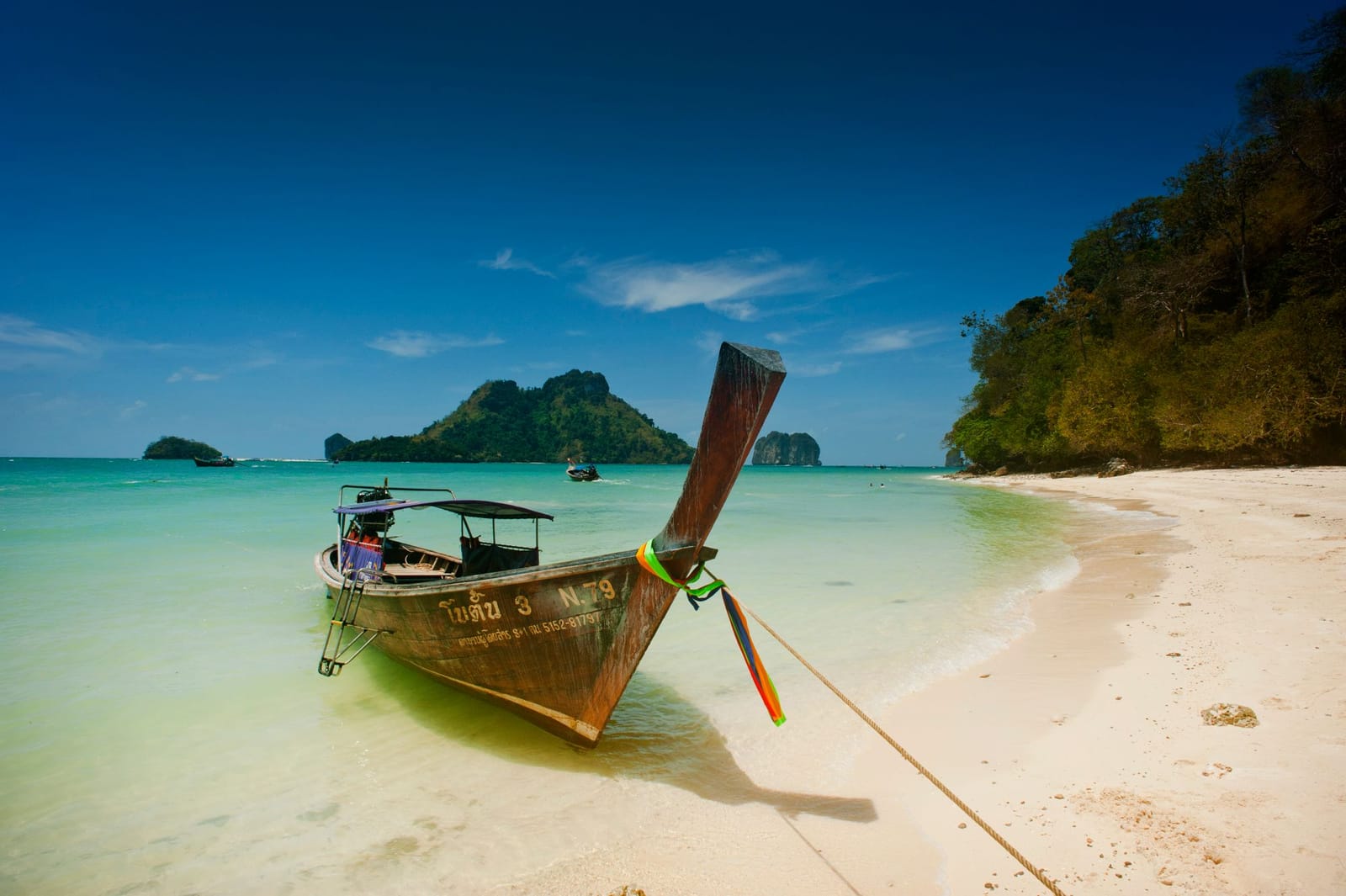
There is only one way in: a longtail boat. From Ao Nang beach, use the Ao Nang Longtail Boat Service Club on the sand, near the south end of the strip. Boats leave once about eight passengers are aboard. The shared fare is still ฿100 one way and ฿200 return, posted at the booth. The crossing is 10–15 minutes. Shared boats run about 8am to 6pm, and the last shared boat back is around 6pm. The old ฿50 after-dark add-on is out of date. After 6pm you charter. Reports in 2026 put that at about ฿150 a person or about ฿600 for the whole boat. Read the board. Fares are the cooperative’s, and they can move.
Two things to know. You’ll wade — at low tide across sand and rock, at high tide up to your knees — so wear sandals and keep valuables high. And boats land at Railay West or Railay East depending on tide and operator; both put you a flat five-minute walk from the other, so it doesn’t much matter which.
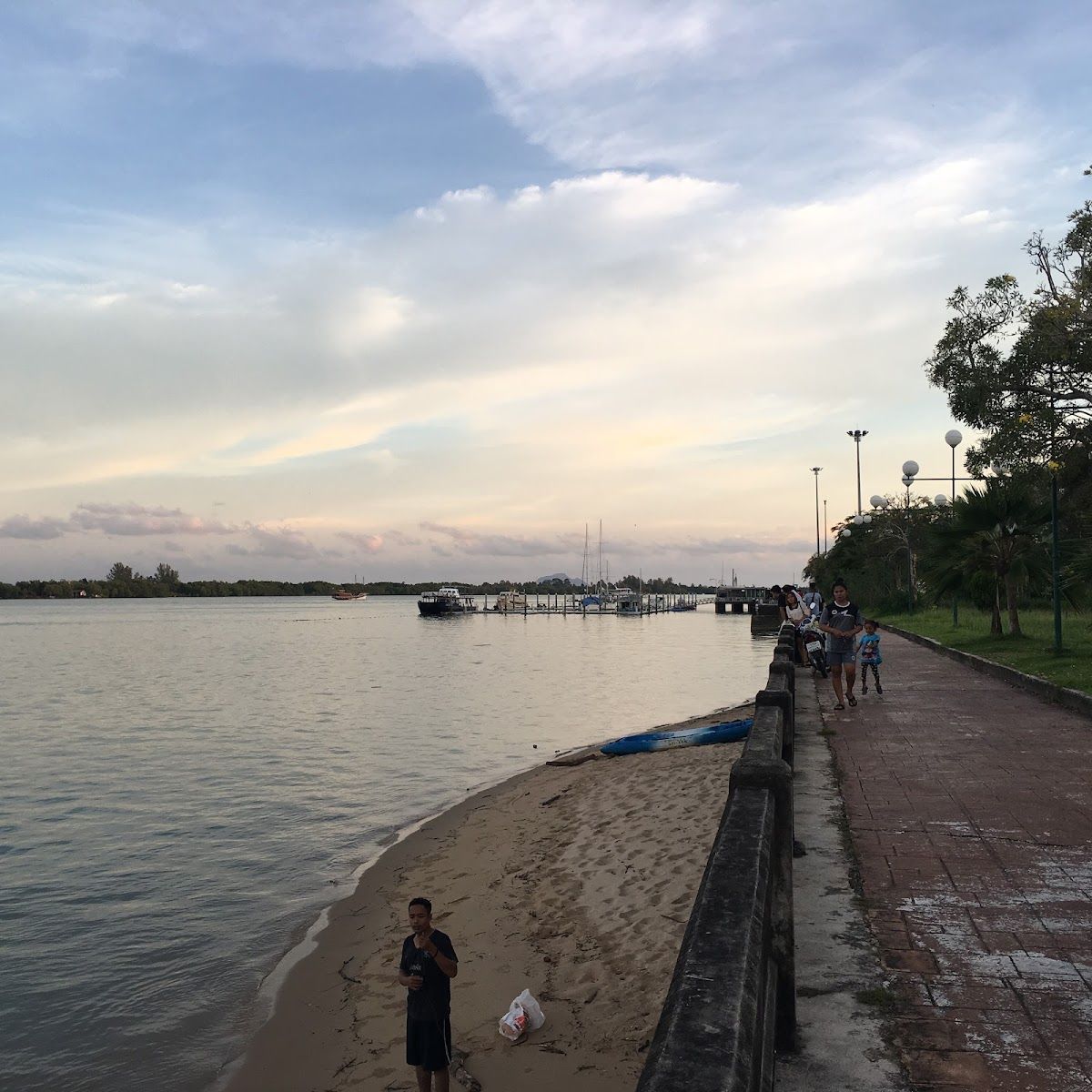
From Krabi Town or the northern beaches, you route via Ao Nang or take a boat from the Krabi Town pier in season. Full transport detail is in getting around Krabi.
The four beaches
Railay West. The one on the postcards — a wide arc of soft sand facing the sunset, with clear swimming and longtails lined along the shore. It’s where most of the mid-range and upper resorts sit, and where you’ll want to be at dusk.
Railay East. The mangrove side, facing sunrise. It goes muddy at low tide and isn’t for swimming, but it’s where the cheaper rooms, hostels and casual bars are. Stay here to save money and walk five minutes to the good sand.
Phra Nang Beach. The stunner, around the southern headland — clear, calm, swimmable water under a giant limestone cliff, with the Phra Nang cave shrine, the Princess Cave, hung with offerings at one end. It’s a short, easy walk from Railay West/East. Bring water; only boat vendors sell here, at a mark-up. Full notes are in Princess Cave, Railay.
Tonsai. North of Railay West, reached by a short scramble at low tide or a separate longtail, Tonsai is the scruffier, cheaper, climber-and-backpacker beach. Rougher around the edges, lower prices, its own crowd.
Rock climbing
Railay is one of the most famous climbing destinations in the world, and you don’t need any experience to try it. Schools on Railay East and West run half-day beginner courses, about ฿1,200–1,750 with harness, shoes and instruction. Several operators were advertising ฿1,495–1,500 in 2026. The walls run from gentle slabs to serious overhangs. The rock is grippy limestone, the settings are spectacular, and instructors are used to nervous first-timers. Full-day and multi-day courses go further if you catch the bug.
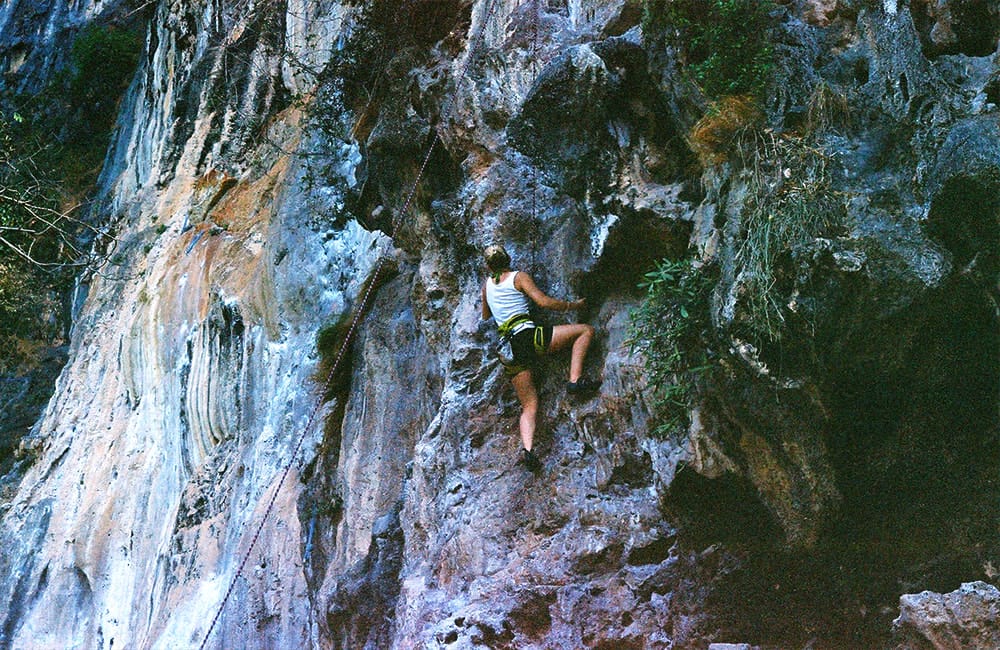
Even if you never plan to climb again, doing it once on these cliffs is one of the best things you can do in Krabi. Book the morning slot before the rock heats up. It’s an activity-heavy add-on — browse options on activities.
Princess Cave, Railay
Princess Cave Railay is Tham Phra Nang, the shrine at the far end of Phra Nang Beach. The way in is the Ao Nang longtail, ฿100 each way, then a short flat walk from Railay West or Railay East around the southern headland. The price in 2026 is still nothing. There is no ticket and no gate.
Inside, fishermen have left carved and painted wooden phalluses as offerings to the sea princess said to live in the cave, hoping for a good catch. It does not take long. The beach outside is why people walk over: clear, calm water under the cliff. Boat vendors are the only sellers, and they mark drinks up, so bring water. Photos are on the Princess Cave page.
The rope-assisted climb to the viewpoint and the hidden lagoon starts behind the cave. That is a separate scramble, and a bad one in sandals. The next section has it.
The Phra Nang cave and viewpoint
Beyond the beaches, Railay has two walks worth the sweat. The Princess Cave, above, is the easy one. Behind it, a steep, muddy, rope-assisted jungle trail climbs to a viewpoint and a hidden lagoon; it’s a proper scramble, slippery and not for sandals or the unsteady, but the view over both sides of the peninsula is a reward if you’re fit and careful.
Day trip or stay the night?
Day trip works fine and is the norm — boat over in the morning, beaches and maybe a climb, back by evening. It’s the cheapest way and needs no forward booking beyond the ฿100 boat.
Staying over changes the place. Once the last day-trippers leave around sunset, Railay empties out and you get the beaches, the cliffs and the light almost to yourself, before the boats return mid-morning. It costs more — everything arrives by boat — and choice is limited, so book ahead, especially in the dry season. A night or two here even mid-trip is worth it.
Practical notes
- Cash. There are ATMs on Railay but they charge and can run dry. Bring enough baht for the day.
- Food and water. Cheapest on Railay East; priciest from beach vendors. Carry water to Phra Nang.
- Tides. They govern the boat landing, the Tonsai scramble and swimming depth. A quick tide check saves surprises.
- Time your last boat. Aim to leave Railay West before or just after 6pm to avoid the after-dark surcharge and a scramble for space.
A simple day plan on Railay
If you’re coming for the day, this order works. Catch an early longtail from Ao Nang to beat the mid-morning arrivals. Start on Railay West for a swim while it’s quiet, then walk across to Phra Nang beach mid-morning before it fills, and spend the best of the day there under the cliff. Break for lunch on Railay East where it’s cheaper, and if you’re climbing, take an early-afternoon session before the rock bakes. Loop back to Railay West for a cold drink and the sunset, then catch a longtail home before or just after 6pm. That’s a full, unhurried day without backtracking.
Where to eat and drink
Food on Railay tracks the beaches. Railay East has the cheapest and most varied eating — casual Thai restaurants, cafés and bars strung along the mangrove path, and the best value on the peninsula. Railay West leans toward resort restaurants and beach bars, pricier but with the sunset outlook. Phra Nang has only longtail vendors selling drinks, fruit and simple food at a mark-up, so bring water and snacks if you’re spending the day there. Tonsai has the cheapest, most low-key bars of all. Carry enough cash for the day — card acceptance is patchy and the ATMs charge.
Best time to visit Railay
Railay is at its best in the dry season, November to March, when the sea is calm for the crossing, the water is clear and the climbing rock is dry. It’s also busiest then, so early and late in the day are when you’ll get the beaches closest to yourself. In green season the longtail crossing can get bumpy and the odd day is too rough to run, so keep your plans flexible. Whatever the month, the first boat over and the last boat back bracket the quietest, loveliest hours.
Where Railay fits
Railay is the scenic heart of a Krabi trip and pairs naturally with an island day and the best beaches more broadly. Base in Ao Nang for the ฿100 hop across, or stay on the peninsula itself. Compare rooms on the hotels list. The 3-day itinerary shows how a Railay day slots in.
FAQ
Is Princess Cave Railay free in 2026?
Yes. Tham Phra Nang has no ticket. You pay the longtail, ฿100 each way from Ao Nang, and you pay the boat vendors if you forget water.
What is the best way to see Princess Cave?
The shared longtail from Ao Nang, then the flat walk from Railay West or Railay East to the end of Phra Nang. Go in the morning if you want the beach before the tour boats. The viewpoint trail behind the cave is a muddy scramble, not part of the cave visit.


.jpeg)